Overview
Melbourne Airport – Melbourne, Australia
Melbourne Airport (IATA: MEL, ICAO: YMML), also commonly known as Melbourne Tullamarine Airport, is the main international airport serving Melbourne and the state of Victoria.
Located northwest of central Melbourne, the airport connects travellers with destinations across Australia, Asia, the Middle East, North America, the Pacific and other international markets.
Melbourne Airport provides access to Melbourne's Central Business District (CBD) and popular areas including Southbank, Docklands, St Kilda, Carlton and surrounding areas of Victoria.
The airport currently operates four passenger terminals — Terminal 1, Terminal 2, Terminal 3 and Terminal 4. Terminal 2 is the international terminal, while the other terminals are used for domestic services. All four terminals are located within the same airport precinct and are within walking distance of each other.
For current airport information, passengers can refer to the official Melbourne Airport website.
At a glance
Airport Information
- Airport Name
- Melbourne Airport
- Also Known As
- Melbourne Tullamarine Airport / Tullamarine Airport
- IATA Code
- MEL
- ICAO Code
- YMML
- Location
- Melbourne, Victoria, Australia
- Nearest Major City
- Melbourne
- Airport Type
- International and Domestic
- Country
- Australia
- Passenger Terminals
- T1, T2, T3 and T4
- International Terminal
- T2
Arrivals
Arrivals at Melbourne Airport
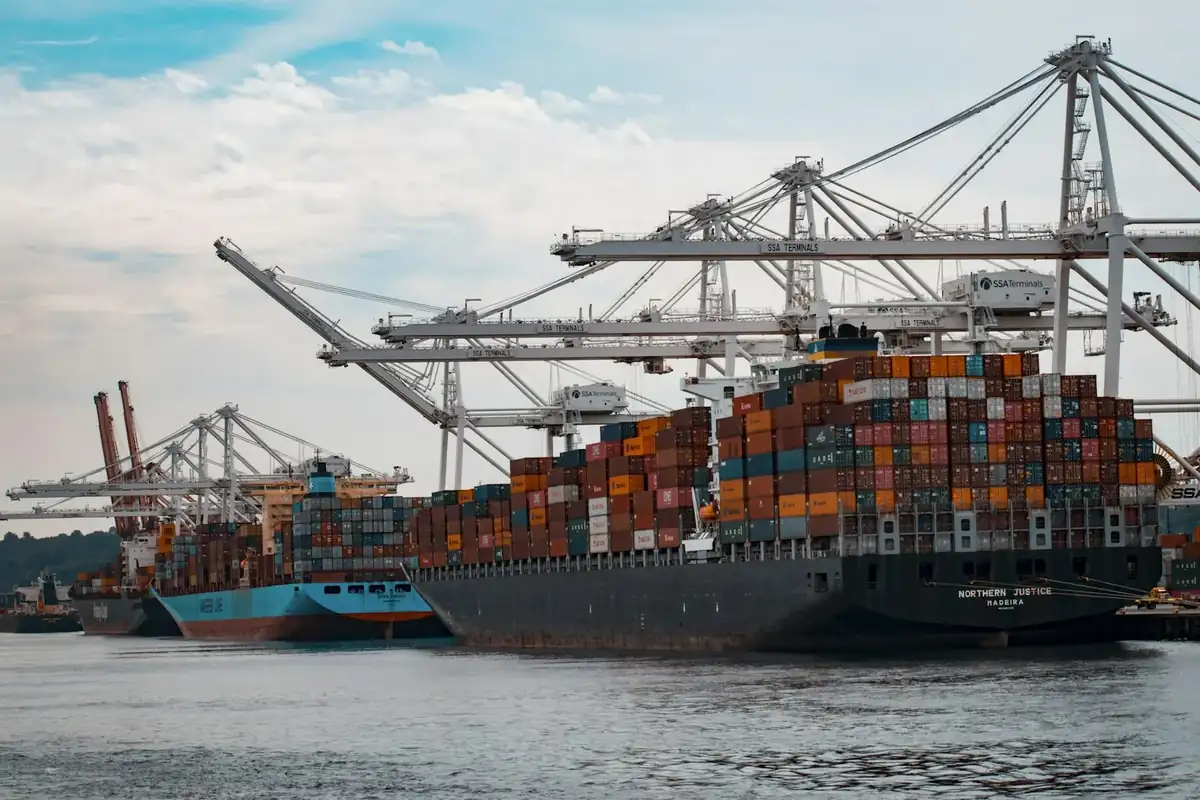
Passengers arriving on international flights normally complete Australian border, baggage, customs and biosecurity procedures before entering the public arrivals area.
Melbourne Airport provides a range of passenger facilities, including:
Arrival Process
- 1Arrival at Melbourne Airport
- 2Follow signs towards Arrivals
- 3Passport and Australian border processing
- 4Baggage collection
- 5Customs and biosecurity procedures
- 6Enter the arrivals area
- 7ATM, currency or mobile connectivity if required
- 8SkyBus, public bus, taxi, rideshare or other transportation
- 9Hotel or onward travel
International travellers should ensure they meet Australia's current passport, visa, immigration, customs and biosecurity requirements before travelling.
Arrival Facilities
- ATMs and currency services
- Baggage services
- Medical and assistance services
- Accessibility assistance
- Restaurants and cafés
- Shopping
- Duty-free shopping
- Free Wi-Fi
- Car rental
- Taxi services
- Rideshare services
- SkyBus
- Public bus connections
- Regional and charter buses
- Passenger information
- Family facilities
- Hotel and onward transportation options
Facilities vary by terminal.
Australian Incoming Passenger Declaration
Passengers entering Australia are required to provide arrival, customs and biosecurity information.
As of August 2026, the standard process for most passengers remains the paper Incoming Passenger Card (IPC). The card is normally provided during the journey or at the arrival terminal.
Australia is progressively introducing the digital Australia Travel Declaration (ATD) as an alternative to the paper Incoming Passenger Card.
The Australian Border Force announced in July 2026 that the ATD is planned to be introduced across Australia's international airports and seaports before the end of 2027. Until the system is fully rolled out, passengers should follow the arrival declaration instructions provided by their airline and Australian Border Force.
Travellers must answer Australia's customs and biosecurity questions accurately.
Australia has strict controls relating to items including:
Passengers who are unsure whether an item needs to be declared should declare it and allow Australian border officials to assess it.
- Food
- Plant material
- Seeds
- Animal products
- Agricultural products
- Medicines
- Certain restricted goods
Australian Visa Requirements
Most non-Australian citizens require an appropriate visa or travel authority before travelling to Australia.
The visa required depends on factors including:
Travellers should check their individual requirements through the Australian Government Department of Home Affairs before booking or travelling.
- Nationality
- Purpose of travel
- Length of stay
- Whether the passenger is visiting or transiting
- Individual immigration circumstances
Departures
Departures from Melbourne Airport
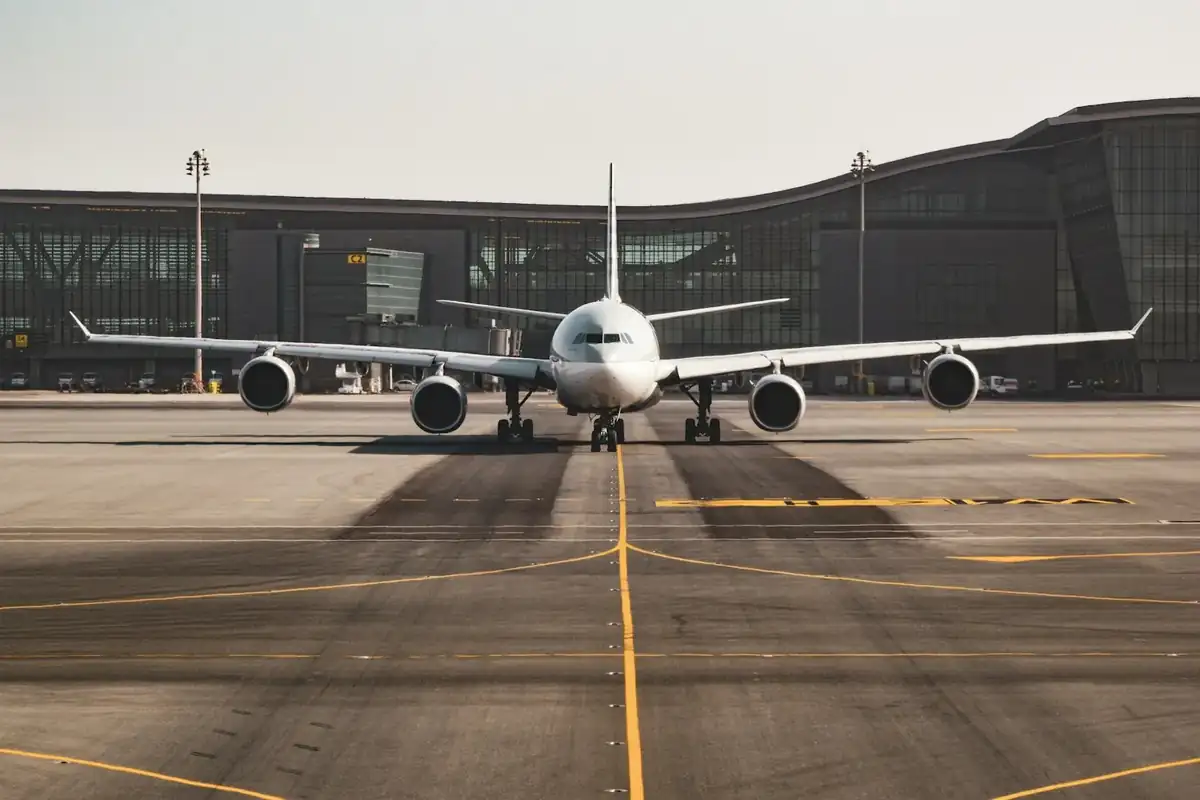
Passengers departing from Melbourne should allow sufficient time for airline check-in, baggage drop, security screening and applicable international departure procedures.
Because Melbourne Airport has four passenger terminals, travellers should confirm their departure terminal before travelling to the airport.
Melbourne Airport provides facilities including:
Departure Process
- 1Confirm your airline and terminal
- 2Arrive at Melbourne Airport
- 3Airline check-in
- 4Baggage drop
- 5Complete applicable departure procedures
- 6Security screening
- 7Enter the departure area
- 8Check airport screens for your boarding gate
- 9Proceed to the gate
- 10Flight departure
Departure Facilities
- Airline check-in
- Self-service facilities where available
- Baggage services
- ATMs and currency services
- Restaurants and cafés
- Shopping
- Duty-free shopping for eligible international passengers
- Airport lounges
- Medical assistance
- Accessibility facilities
- Family facilities
- Free Wi-Fi
- Passenger information
Facilities vary by terminal.
Terminals
Terminals at Melbourne Airport
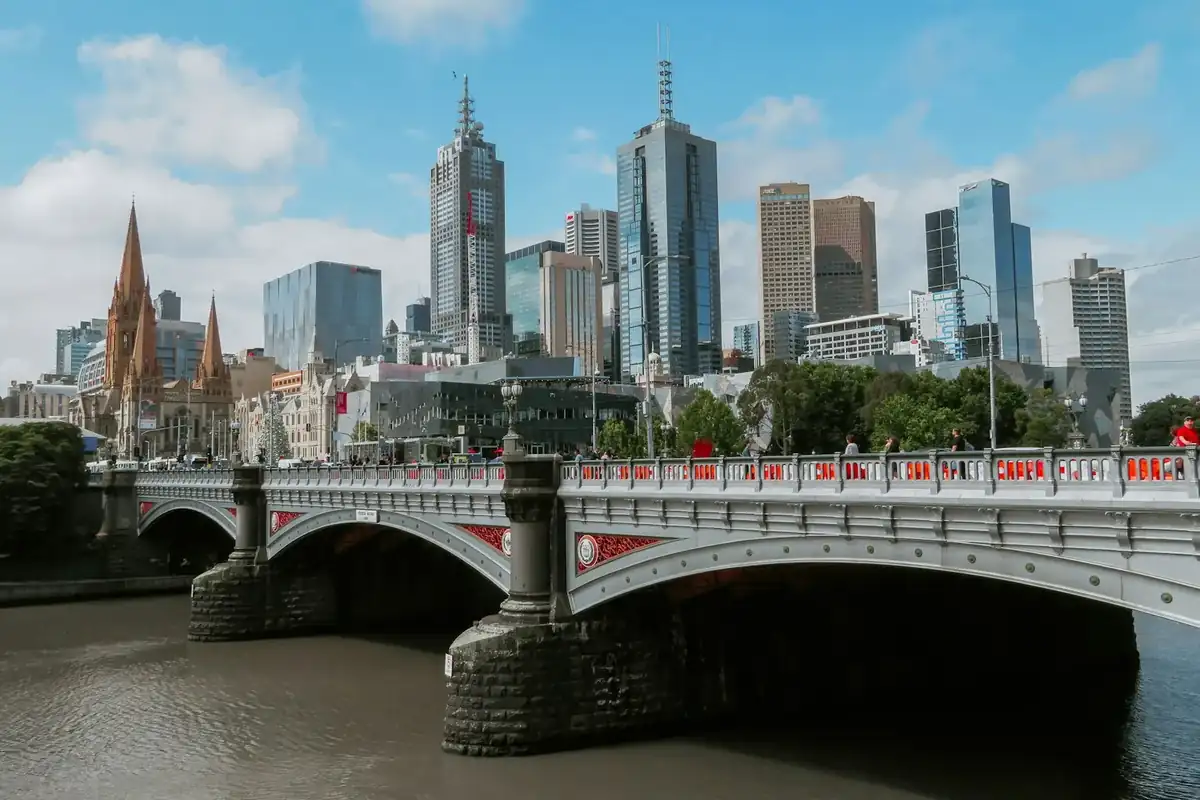
Melbourne Airport has four passenger terminals — T1, T2, T3 and T4.
One of the advantages of connecting at Melbourne Airport is that all four terminals are located in the same terminal precinct and within walking distance.
Passengers should still confirm their terminal with their airline before travelling because airline and operational arrangements can change.
Terminal 1 – Domestic
Terminal 1 (T1) handles domestic flights.
The terminal is located next to the international terminal precinct, making connections between T1 and T2 possible on foot.
Facilities include:
- Check-in facilities
- Baggage services
- Restaurants and cafés
- Retail
- Passenger services
- Ground transportation access
Terminal 2 – International
Terminal 2 (T2) is Melbourne Airport's international terminal.
International passengers arriving in or departing from Melbourne normally use T2.
Facilities include:
Melbourne Airport also currently provides shower facilities in T2, both before and after security screening.
- International airline check-in
- Immigration and border processing
- Customs and biosecurity facilities
- Baggage services
- Duty-free shopping
- Restaurants and cafés
- Airport lounges
- Passenger assistance services
- Ground transportation access
Terminal 3 – Domestic
Terminal 3 (T3) handles domestic flights.
T3 is located next to the international terminal area and within walking distance of the other terminals.
Passengers connecting between T2 and T3 can make the terminal transfer on foot.
Terminal 4 – Domestic
Terminal 4 (T4) handles domestic flights and is connected with the airport's Terminal 4 Transport Hub.
T4 is approximately 100 metres south of T3, according to Melbourne Airport.
The Transport Hub provides access to:
- Public buses
- Regional buses
- Rideshare services
- Taxis
- Ground transportation facilities
Transfers
Connecting Flights at Melbourne Airport
Melbourne Airport is an important international and domestic connecting point.
Connection procedures depend on whether passengers are travelling:
Passengers should follow airport signage and their airline's transfer instructions.
Typical Transfer Process
- 1International to international
- 2International to domestic
- 3Domestic to international
- 4Domestic to domestic
- 5On a through-ticket
- 6On separate tickets
International to Domestic Connections
Passengers arriving internationally at T2 and connecting to a domestic flight must complete Australian arrival procedures before transferring to their domestic terminal.
Melbourne Airport confirms that international arrivals connecting domestically must collect their luggage and clear customs before transferring to the domestic service.
Typical Process
Passengers should allow sufficient connection time for border procedures, baggage collection and the domestic check-in process.
- Arrive at T2
- Complete passport and border processing
- Collect checked baggage
- Complete customs and biosecurity procedures
- Enter the public arrivals area
- Confirm the domestic departure terminal
- Walk to T1, T3 or T4
- Check or re-check baggage as instructed by the airline
- Complete domestic security
- Proceed to the boarding gate
Domestic to International Connections
Passengers arriving on a domestic flight and connecting to an international flight will need to proceed to T2 International.
Typical Process
Passengers should allow sufficient time for international departure formalities.
- Arrive at the domestic terminal
- Confirm baggage arrangements
- Follow airline transfer instructions
- Walk to T2
- Complete international check-in or baggage procedures if required
- Complete applicable departure processing
- Pass through security
- Proceed to the boarding gate
International to International Connections
Passengers connecting between international flights should follow their airline's transfer instructions and airport signage.
The exact process depends on:
Passengers travelling on separate tickets or needing to enter Australia should ensure they have the appropriate Australian immigration permission.
- Airline
- Ticket arrangement
- Whether baggage is checked through
- Whether the passenger already has an onward boarding pass
- Australian transit requirements
Transferring Between Melbourne Airport Terminals
Unlike Sydney Airport, Melbourne Airport's international and domestic terminals are all located within the same terminal precinct.
Melbourne Airport confirms that:
T1, T2, T3 and T4 are all within walking distance.
Passengers therefore do not normally need a shuttle bus simply to move between passenger terminals.
T1 and T3 are located on either side of the T2 international terminal area, while T4 is approximately 100 metres south of T3.
This makes terminal transfers relatively straightforward compared with airports where international and domestic terminals are located in separate precincts.
Passengers requiring mobility assistance should arrange support with their airline or airport assistance service.
Australian Transit Visa
Passengers connecting through Melbourne may require an Australian transit visa depending on:
Travellers should not assume that remaining at the airport automatically means no Australian visa is required.
Passengers should check their individual transit requirements through the Australian Government Department of Home Affairs before travelling.
- Nationality
- Length of transit
- Whether they need to pass through Australian border control
- Whether baggage needs to be collected
- Ticket arrangements
- Individual visa exemptions
Getting into the city
Transportation from Melbourne Airport
Travellers arriving at MEL have several transportation options.
The main options include:
An important difference from Sydney Airport is that Melbourne Airport does not currently have a passenger rail station providing direct train services to Melbourne CBD.
- SkyBus
- Public bus
- Taxi
- Uber and other rideshare services
- Regional and charter bus
- Private transfer
- Car rental
SkyBus
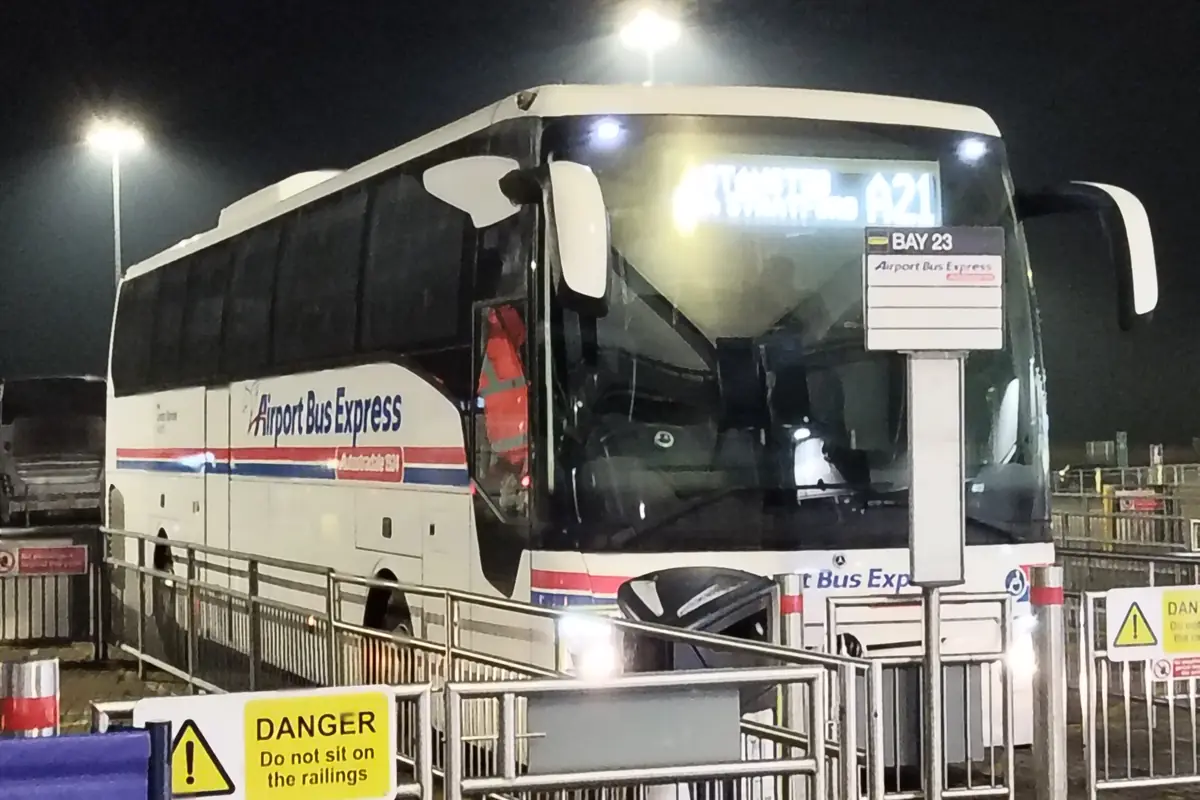
SkyBus provides express bus services between Melbourne Airport and Melbourne and selected surrounding destinations.
Melbourne Airport currently lists SkyBus services connecting the airport with:
The airport currently states that SkyBus services operate 24/7, with travel to the city generally taking around 30–45 minutes, depending on traffic and service conditions.
Because schedules, destinations and fares can change, passengers should check current SkyBus information before travelling.
Melbourne CBD
St Kilda
Frankston
Best for
- Melbourne CBD
- Solo travellers
- Budget-conscious travellers
- Tourists
- Travellers with manageable luggage
- Passengers staying near onward public transport connections
Public Bus
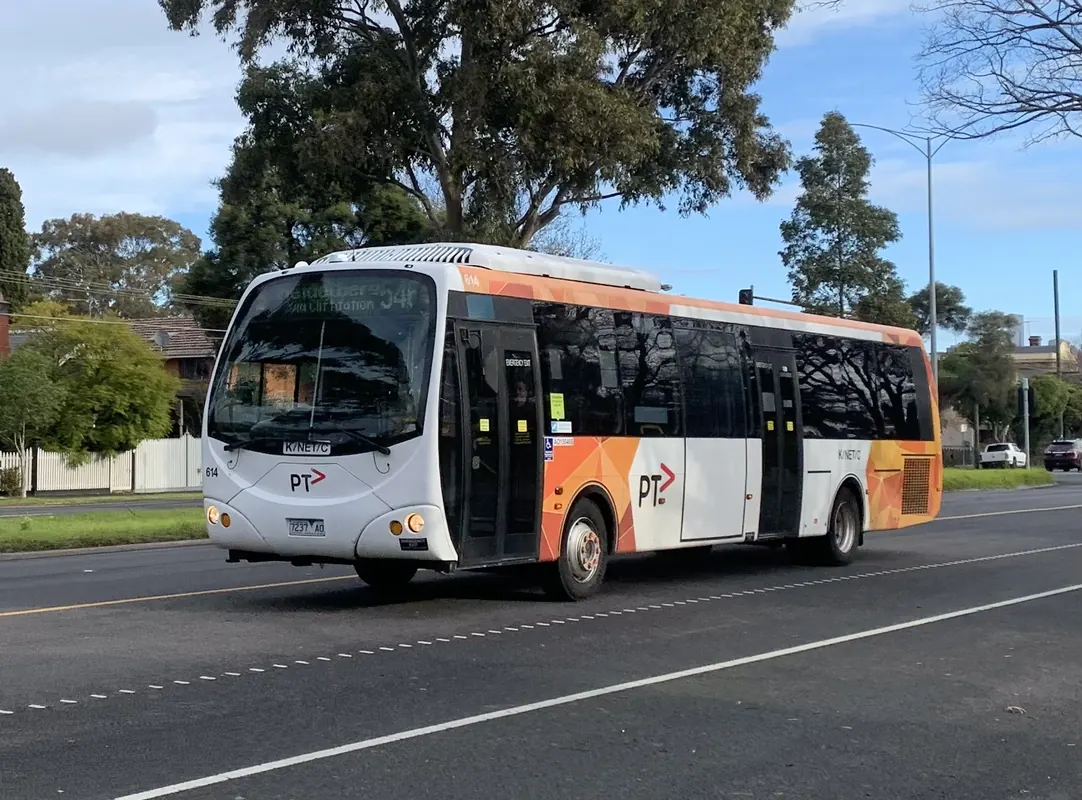
Public bus services connect Melbourne Airport with the wider public transport network.
Public and other bus services operate from the Transport Hub near Terminal 4.
Passengers using regular Victorian public transport services generally need an appropriate myki payment method.
Routes and schedules can change, so passengers should check current public transport information before travelling.
Best for
- Budget travellers
- Local destinations
- Passengers familiar with Melbourne public transport
- Travellers with manageable luggage
Taxi
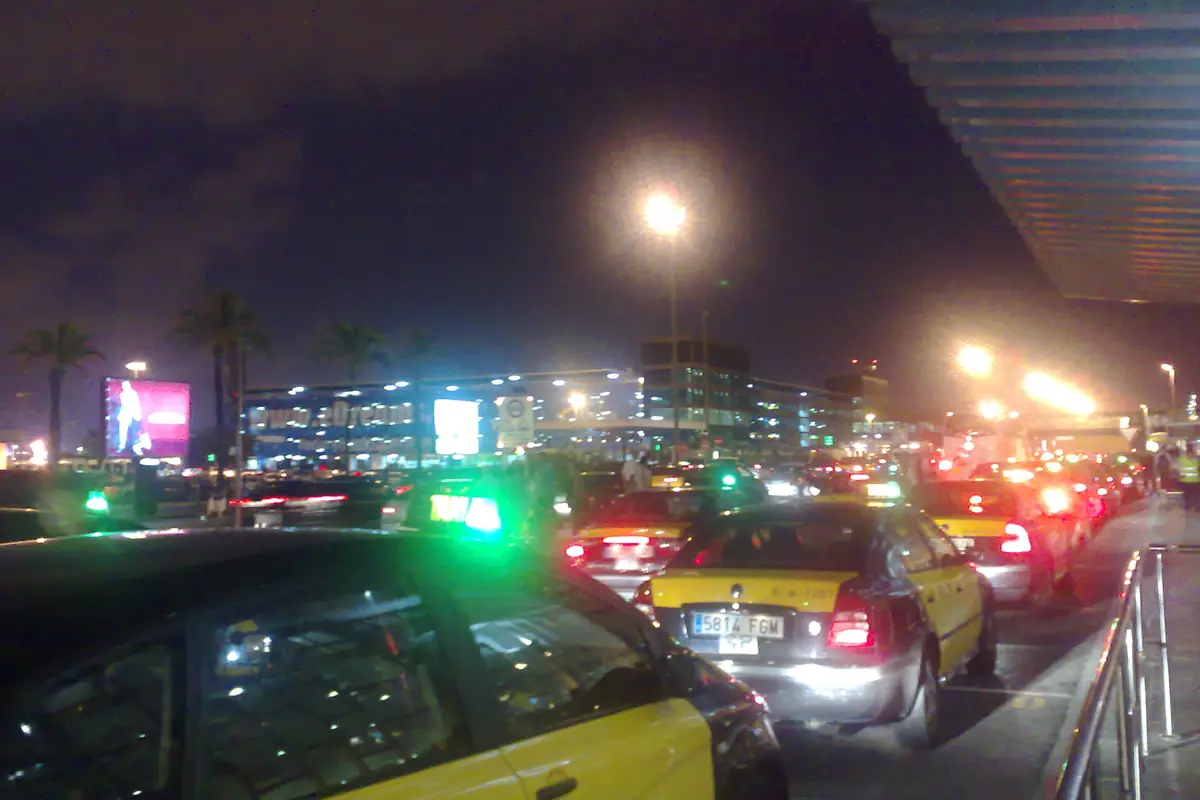
Taxi ranks are available at Melbourne Airport.
Current airport guidance provides designated taxi ranks outside T1, T2 and at the T4 Transport Hub.
Passengers should use only official designated taxi ranks and avoid unsolicited offers of transportation.
Road journey times vary depending on:
Traffic
Time of day
Destination
Road conditions
Best for
- Families
- Groups
- Travellers with luggage
- Direct hotel transfers
- Business travellers
- Late-night arrivals
Uber and Rideshare
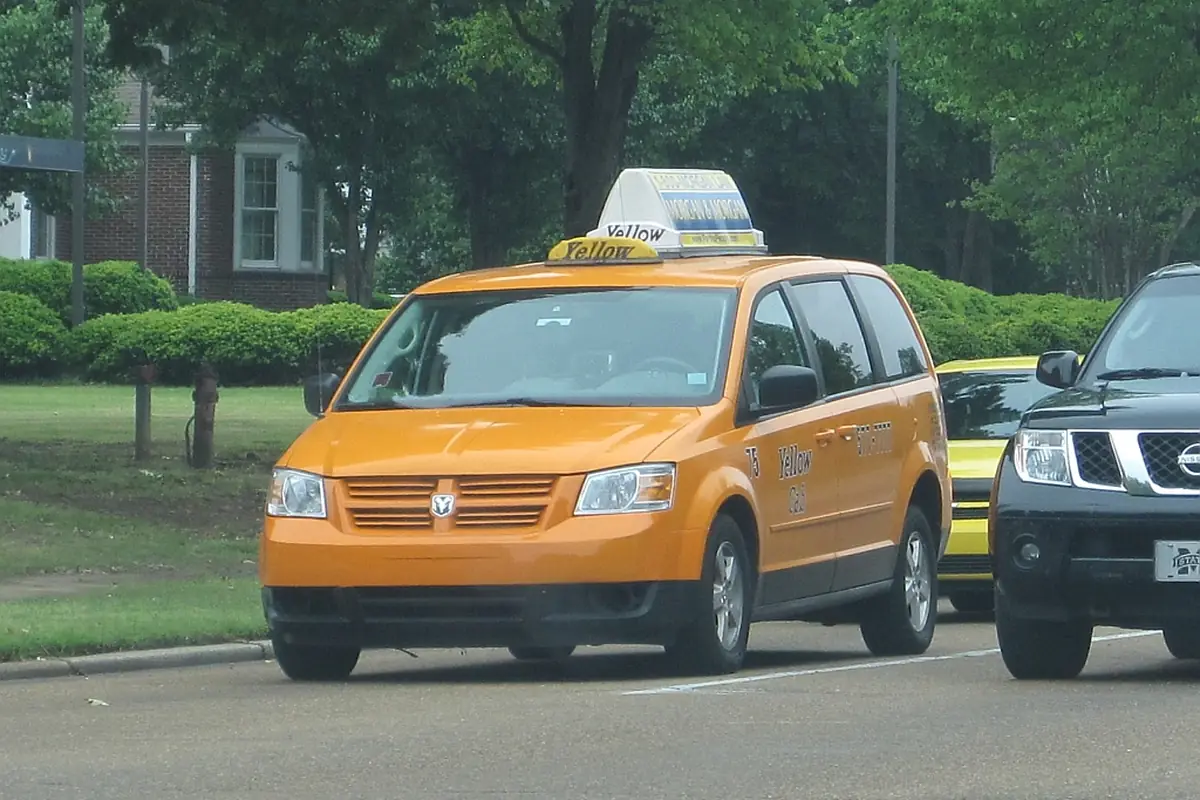
Rideshare services operate at Melbourne Airport, with designated pickup areas serving the terminals.
Melbourne Airport currently lists services including Uber and DiDi, among other rideshare providers, and provides dedicated pickup locations across the airport.
International passengers using Uber currently have a dedicated pickup location outside Terminal 2.
Because pickup arrangements are operational information and can change, passengers should follow current airport signage and the pickup instructions displayed in their rideshare app.
Best for
- App-based booking
- Cashless payment
- Door-to-door travel
- Families
- Groups
- Direct hotel transportation
Regional and Charter Buses
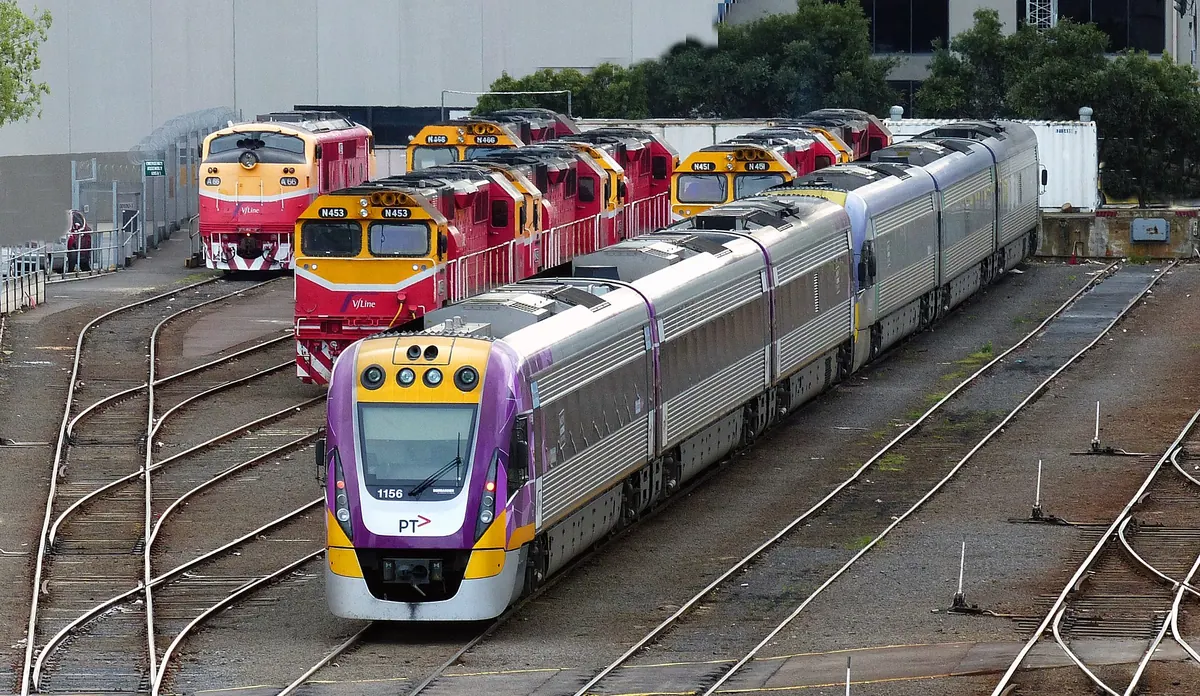
Regional, direct, group and charter bus services connect Melbourne Airport with destinations outside central Melbourne.
These services operate from the Terminal 4 Transport Hub.
They may be useful for passengers continuing to regional Victoria or other destinations.
Passengers should check the individual operator's current timetable and booking requirements before travelling.
Private Airport Transfer
Private airport transfers can be arranged in advance through hotels, transportation providers and travel companies.
Private transfers can be useful for:
Families
Groups
Business travellers
Travellers with significant luggage
First-time visitors
Passengers travelling to destinations outside central Melbourne
Car Rental
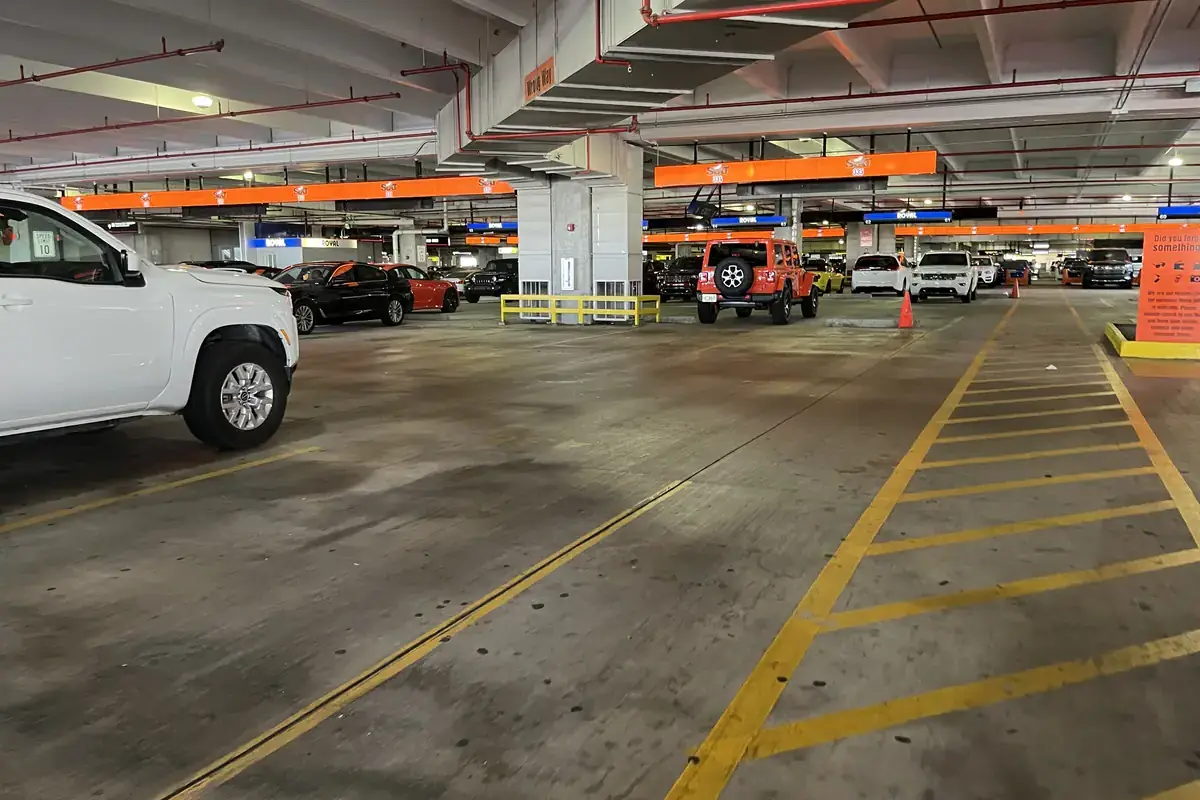
Car rental services are available at Melbourne Airport.
The airport lists several major car rental providers with facilities located on-site.
Hiring a vehicle may be particularly useful for travellers planning to explore destinations outside Melbourne.
International visitors should ensure they meet applicable Australian and Victorian driving requirements.
For travellers staying mainly in Melbourne CBD, public transport, SkyBus, taxi or rideshare may be more convenient than driving.
Where to go next
Transportation to Popular Areas in Melbourne
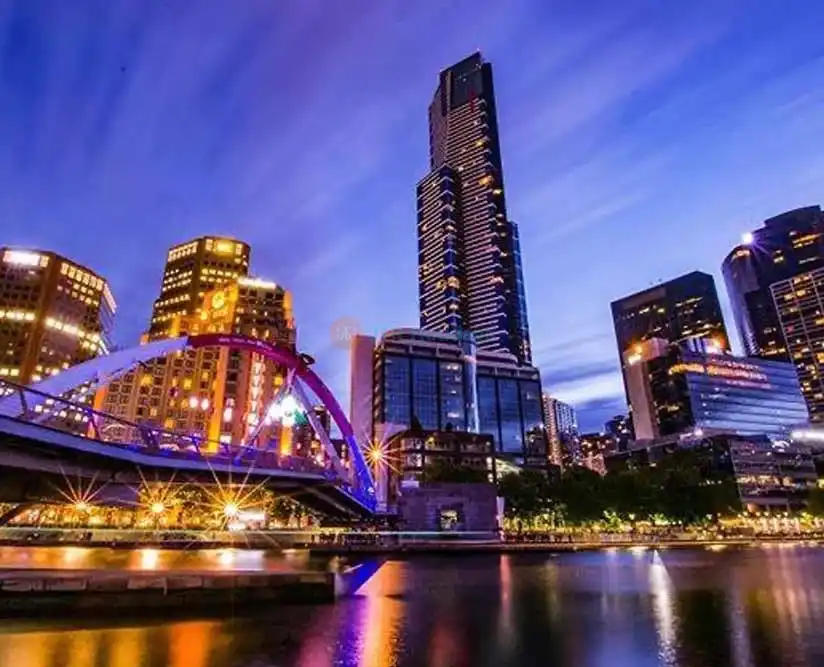
Melbourne CBD
Recommended options
- SkyBus
- Taxi
- Uber / rideshare
- Private transfer
The Melbourne Central Business District (CBD) is the city's main business, shopping, hotel and entertainment area.
SkyBus provides a convenient express public transport connection between Melbourne Airport and the city.
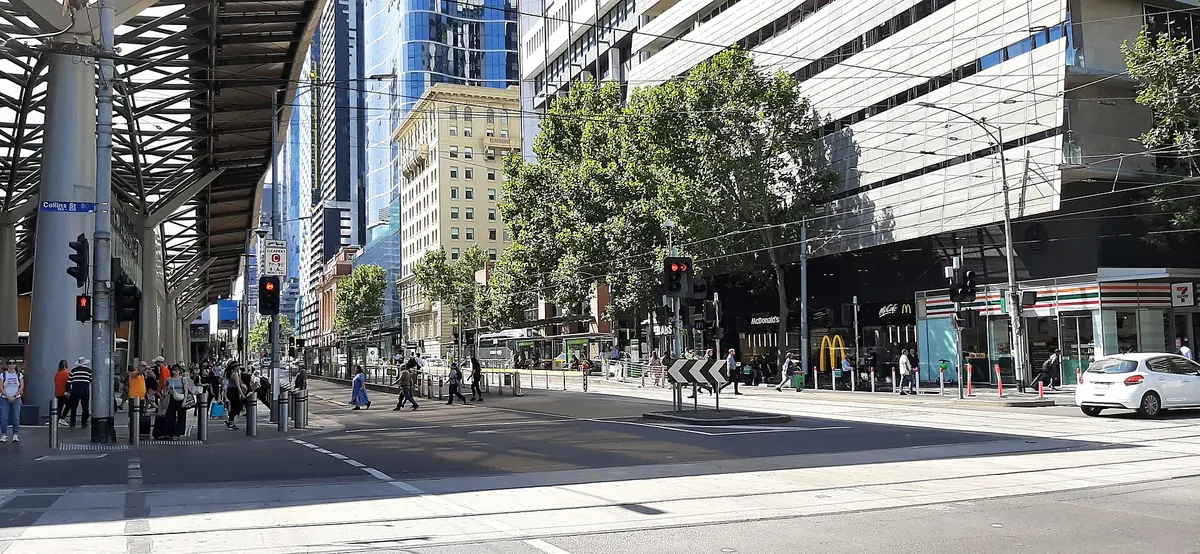
Southern Cross Station
Recommended options
- SkyBus
- Taxi
- Rideshare
- Private transfer
Southern Cross Station is a major rail, coach and public transport hub in central Melbourne.
It provides onward connections to destinations throughout Melbourne and regional Victoria.
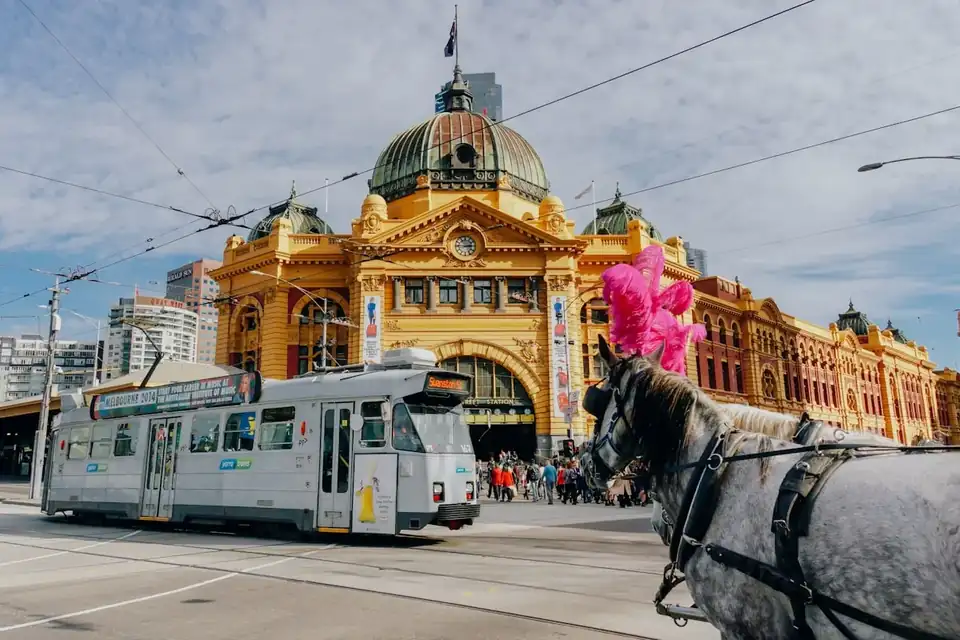
Southbank
Recommended options
- SkyBus + local transport
- Taxi
- Rideshare
- Private transfer
Southbank is a popular riverside hotel, dining, entertainment and cultural district close to Melbourne CBD.
Docklands
Recommended options
- SkyBus + local transport
- Taxi
- Rideshare
- Private transfer
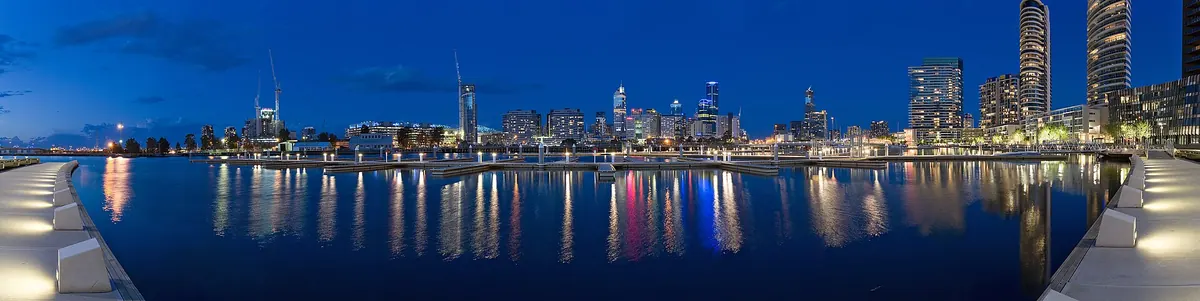
Docklands is a waterfront residential, business and entertainment district close to central Melbourne.
St Kilda
Recommended options
- SkyBus where the appropriate service is operating
- Taxi
- Rideshare
- Private transfer
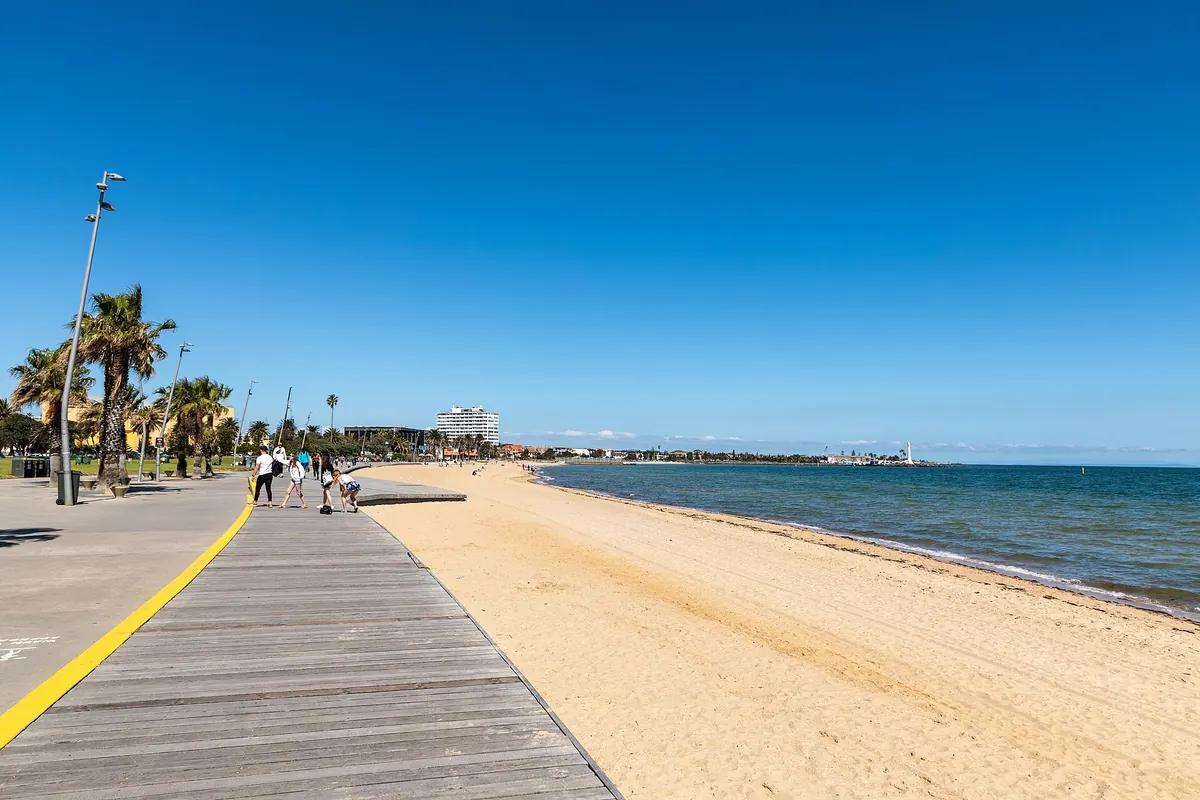
St Kilda is a popular bayside destination known for its beach, restaurants, cafés and entertainment.
Passengers should check current SkyBus route information before travelling.
Carlton
Recommended options
- SkyBus + local public transport
- Taxi
- Rideshare
- Private transfer
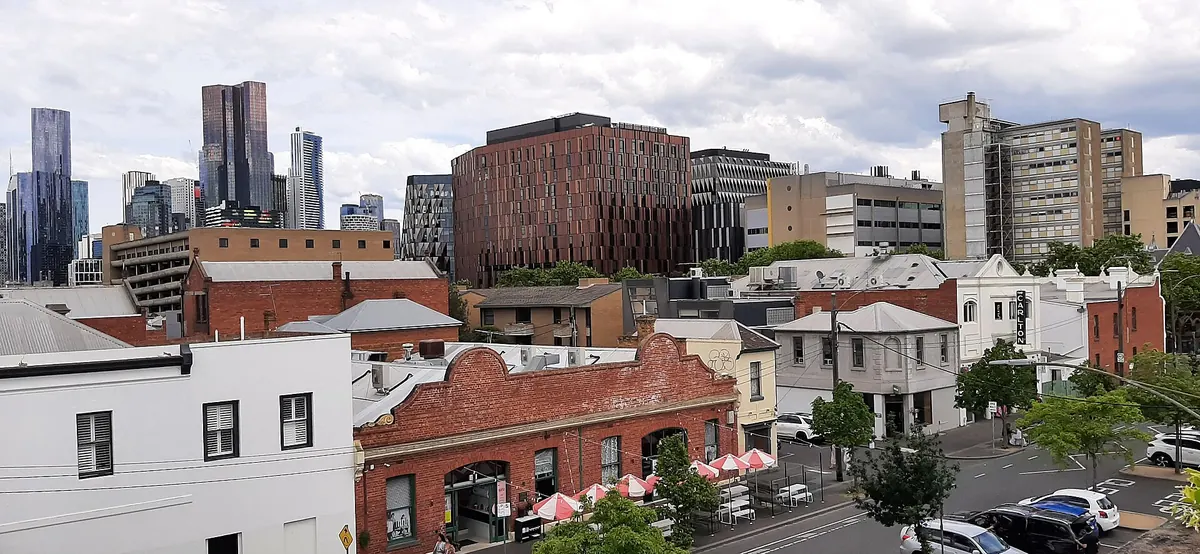
Carlton is a popular inner-city area known for restaurants, universities, cultural attractions and accommodation.
Travelling from Melbourne Airport to Other Parts of Victoria
Recommended options
- Geelong
- Ballarat
- Bendigo
- Mornington Peninsula
- Phillip Island
- Yarra Valley
- Great Ocean Road
- Torquay
- Regional bus
- Coach
- Private transfer
- Rental car
- Public transport combinations
Melbourne Airport is an important gateway for travellers continuing to destinations across Victoria.
Popular onward destinations include:
Depending on the destination, travellers can continue by:
Passengers should check current schedules and connections before travelling.
Travelling from Melbourne Airport to Geelong
Recommended options
- Regional coach/bus
- Private transfer
- Taxi or rideshare where suitable
- Rental car
Geelong is a major regional city southwest of Melbourne and an important gateway to the Great Ocean Road.
Travellers can continue from Melbourne Airport using options including:
Passengers should check current direct regional transport services before travelling.
Travelling from Melbourne Airport to the Great Ocean Road
Recommended options
- Rental car
- Private transfer
- Organised tour
- Regional transport combined with onward travel
The Great Ocean Road is one of Victoria's best-known tourism routes.
Travellers arriving at Melbourne Airport may continue by:
For travellers planning to explore multiple destinations along the route, a rental vehicle or organised tour may be more practical than relying solely on public transportation.
Before you land
Tips for Travellers Arriving at MEL
- International flights use Terminal 2.
- Melbourne Airport has four passenger terminals: T1, T2, T3 and T4.
- All four terminals are located within the same precinct and are within walking distance.
- International passengers connecting to domestic flights must collect their baggage and clear customs before transferring.
- Check Australia's visa requirements before travelling.
- Do not assume you can transit Australia without an appropriate visa or exemption.
- Complete the required Australian arrival declaration process.
- Declare food, plant, animal and other biosecurity-controlled items when required.
- Confirm whether baggage needs to be re-checked when connecting.
- Allow sufficient time for international-to-domestic connections.
- Consider SkyBus for travel to central Melbourne.
- Melbourne Airport does not currently have a direct passenger train to the CBD.
- Use official taxi ranks or designated rideshare pickup areas.
- Check current public transport and SkyBus schedules before travelling.
- Confirm your exact hotel location before choosing transportation.
- Allow additional road travel time during busy traffic periods.
Flights from Sri Lanka
Why Book Your Melbourne Flight with iCanFly?
iCanFly helps travellers in Sri Lanka search, compare and book flights between Colombo and Melbourne as well as onward destinations across Australia and beyond.
Passengers can compare available flights based on airline, schedule, fare and travel preferences.
Popular Flight Searches
Stay with iCanStay
Hotels near Melbourne Airport
After landing at MEL, you can compare and book hotels in Melbourne and nearby areas with iCanStay.
Popular Hotel Searches
Common questions
Frequently Asked Questions
Melbourne Airport uses the IATA airport code MEL.
Airport guides
Other airport guides
Arrival, terminal and transport notes for popular airports used by travellers from Sri Lanka.
CMB
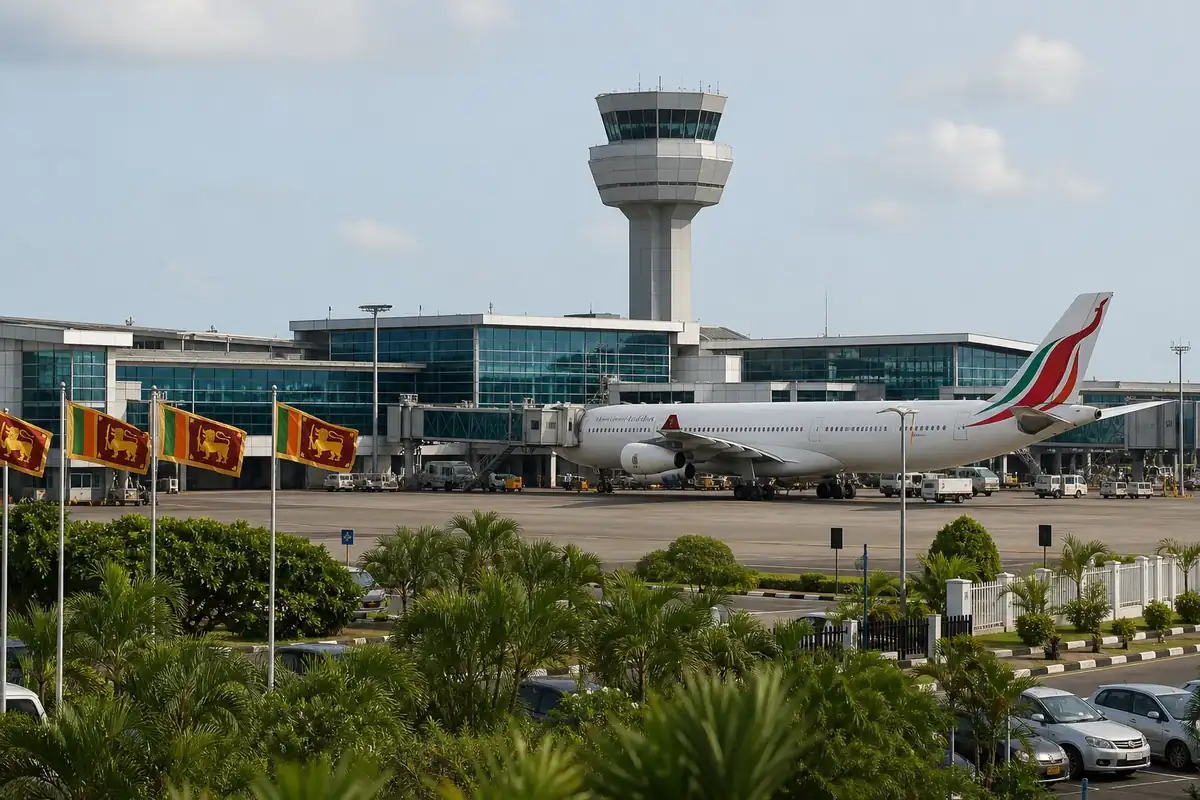
Bandaranaike International Airport
Colombo, Sri Lanka
AUH
Zayed International Airport
Abu Dhabi, United Arab Emirates
BKK
Suvarnabhumi Airport
Bangkok, Thailand
BOM
Chhatrapati Shivaji Maharaj International Airport
Mumbai, India

MAA
Chennai International Airport
Chennai, India
DEL
Indira Gandhi International Airport
Delhi, India

DOH
Hamad International Airport
Doha, Qatar
DXB
Dubai International Airport
Dubai, United Arab Emirates

FRA
Frankfurt Airport
Frankfurt, Germany
HKG
Hong Kong International Airport
Hong Kong, Hong Kong

IST
Istanbul Airport
Istanbul, Turkey

BLR
Kempegowda International Airport
Bengaluru, India
KUL
Kuala Lumpur International Airport
Kuala Lumpur, Malaysia
LHR
London Heathrow Airport
London, United Kingdom

NRT
Narita International Airport
Tokyo, Japan

CDG
Paris Charles de Gaulle Airport
Paris, France
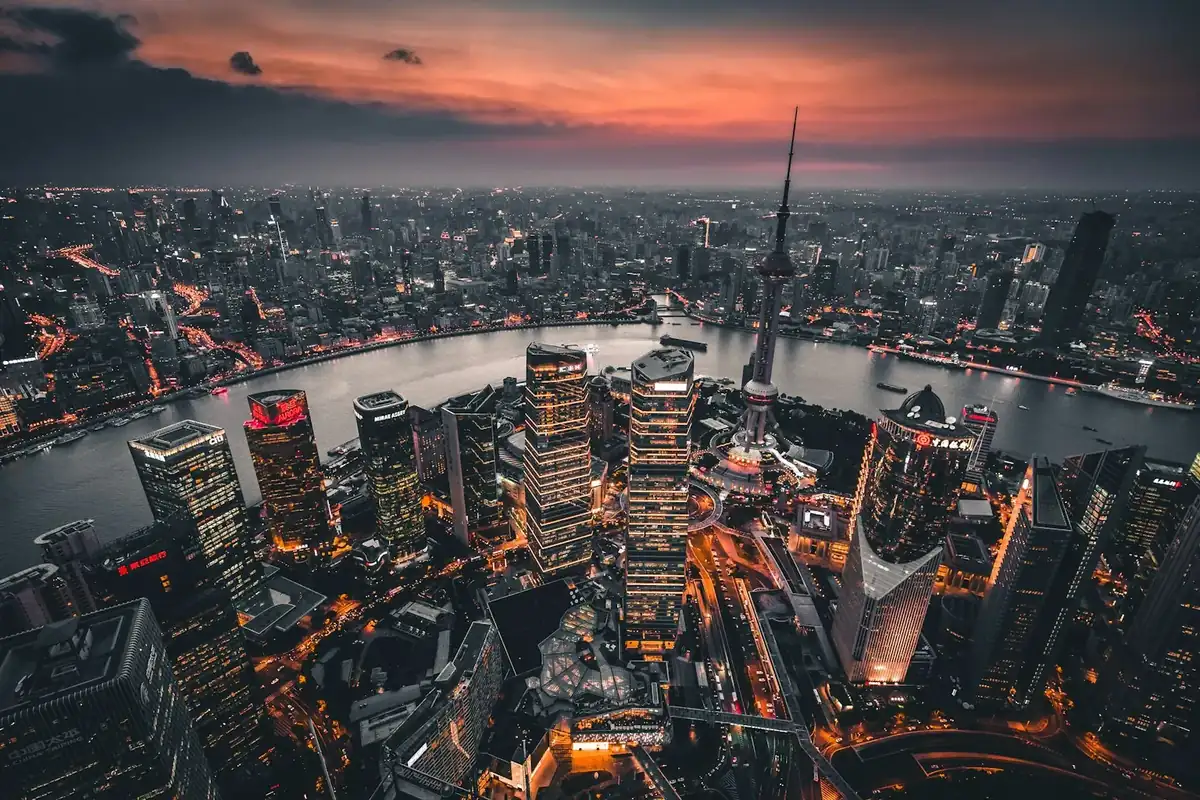
PVG
Shanghai Pudong International Airport
Shanghai, China
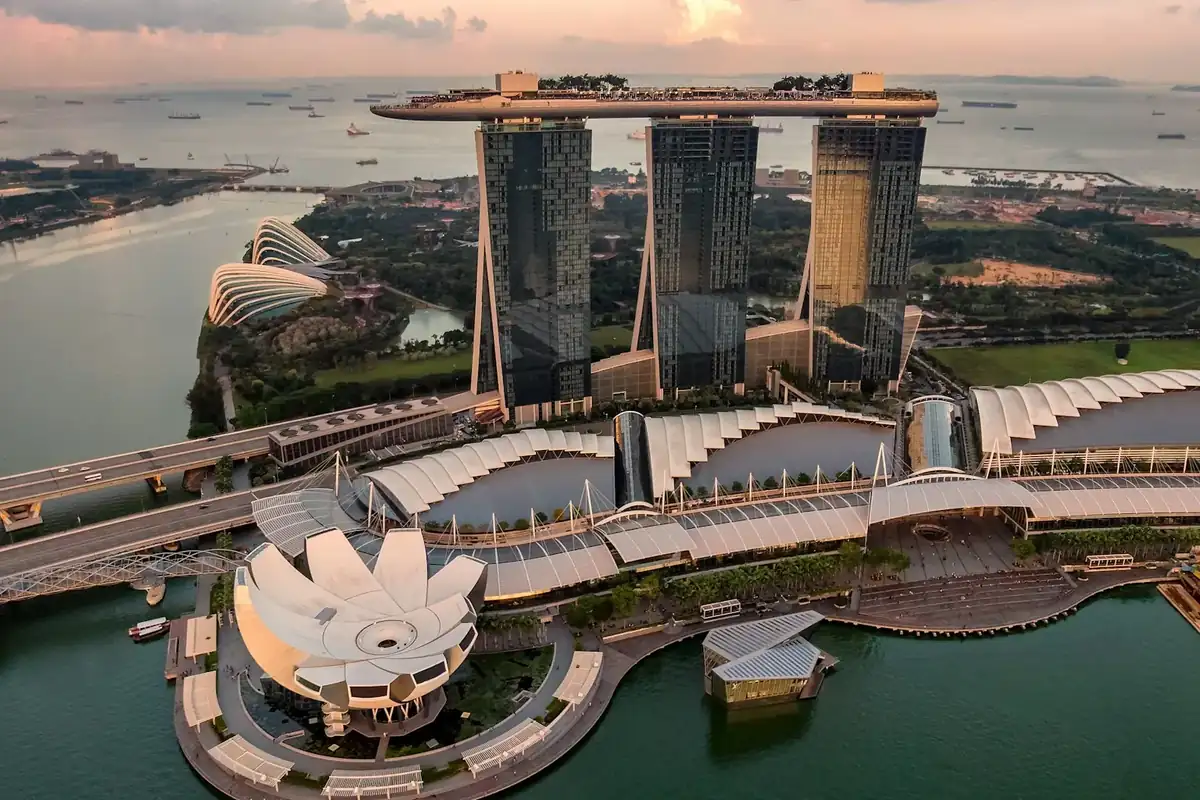
SIN
Singapore Changi Airport
Singapore, Singapore
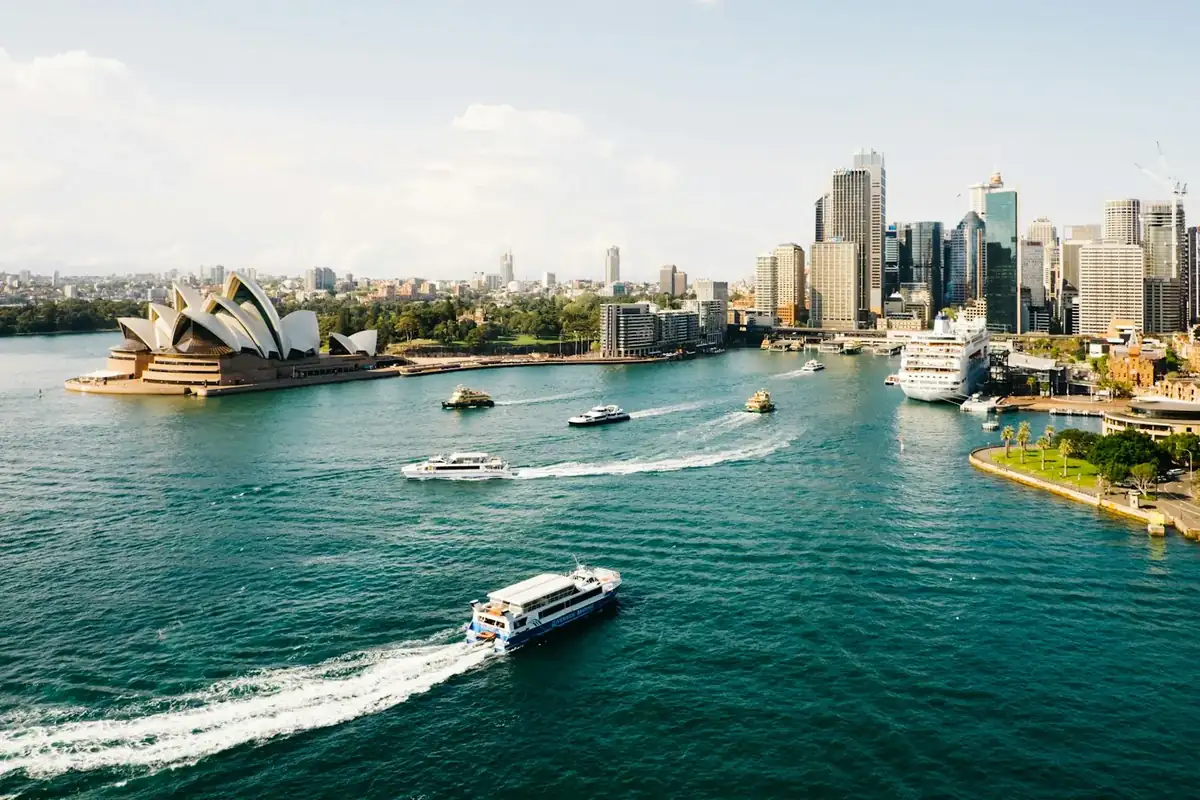
SYD
Sydney Airport
Sydney, Australia
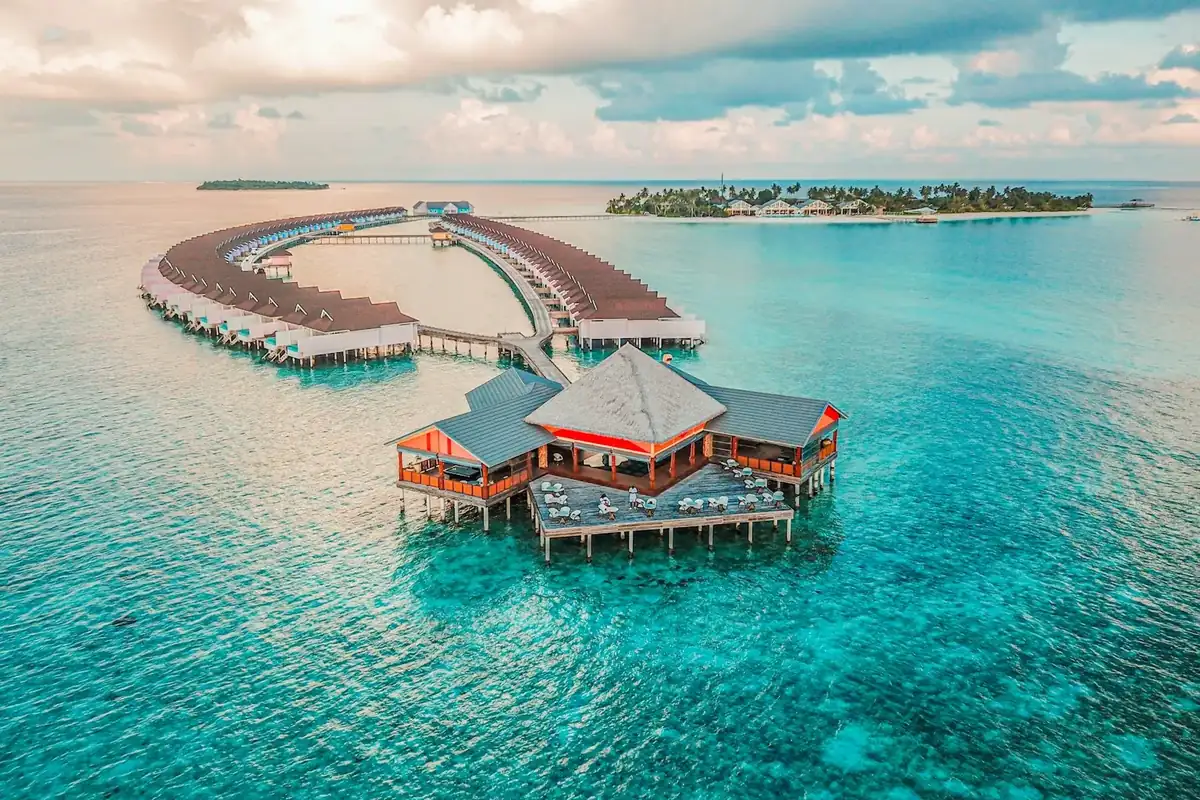
MLE
Velana International Airport
Malé, Maldives
MEL · Melbourne Airport guide
Search and Book Flights to Melbourne with iCanFly
iCanFly is an independent Sri Lankan online travel booking platform and is not the official website of Melbourne Airport or the Australian Government. Airport facilities, terminal arrangements, transportation services, visa and immigration requirements, customs and biosecurity procedures, operating hours and other travel information are managed by the relevant airport, government, airline and transport authorities and may change. Passengers should confirm current information with Melbourne Airport, their airline, the Australian Government Department of Home Affairs, Australian Border Force or the relevant transport provider before travelling.