Overview
Hong Kong International Airport – Hong Kong
Hong Kong International Airport (IATA: HKG, ICAO: VHHH) is Hong Kong's principal international airport and one of Asia's major aviation and connecting hubs.
Located on Chek Lap Kok island, close to Lantau Island, the airport connects Hong Kong with destinations across Asia, Europe, the Middle East, North America, Australia and other international markets.
Hong Kong International Airport provides convenient access to Central, Kowloon, Tsim Sha Tsui, Causeway Bay, Mong Kok, Hong Kong Disneyland and other parts of Hong Kong.
The airport currently uses Terminal 1 and Terminal 2 for passenger departure processing. Terminal 2's new departure facilities commenced operations on 27 May 2026, representing an important change from older airport guides that may describe Terminal 2 as closed for departures.
Passengers should always check the terminal shown by their airline before travelling.
For current airport information, passengers can refer to the official Hong Kong International Airport website.
At a glance
Airport Information
- Airport Name
- Hong Kong International Airport
- Also Known As
- HKIA / Chek Lap Kok Airport
- IATA Code
- HKG
- ICAO Code
- VHHH
- Location
- Chek Lap Kok, Hong Kong
- Nearest Major City
- Hong Kong
- Airport Type
- International
- Passenger Departure Terminals
- Terminal 1 and Terminal 2
- Runway System
- Three-runway system
Arrivals
Arrivals at Hong Kong International Airport
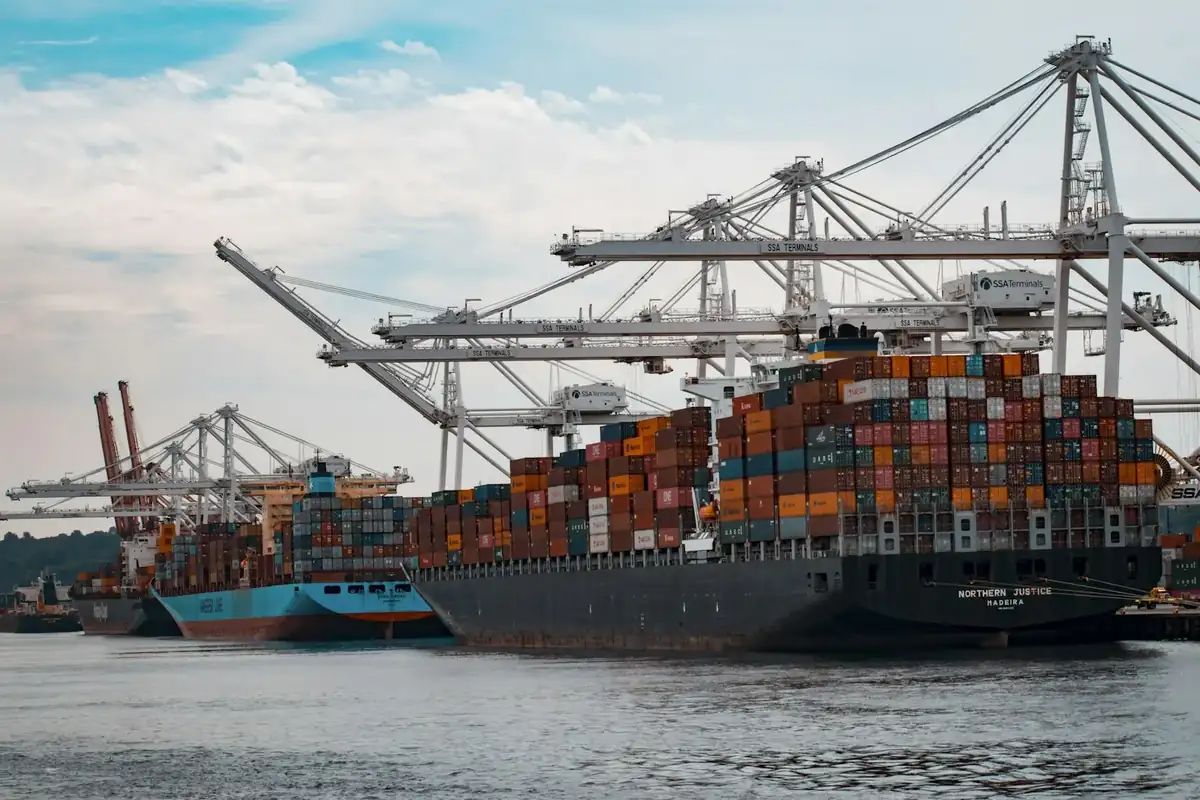
Passengers arriving in Hong Kong normally proceed through immigration, baggage reclaim and customs before entering the public arrivals area.
Hong Kong International Airport provides a wide range of passenger facilities, including:
Typical Arrival Process
- 1Arrival at Hong Kong International Airport
- 2Follow signs towards Arrivals
- 3Immigration clearance
- 4Baggage collection
- 5Customs procedures
- 6Enter the public arrivals area
- 7ATM, SIM/mobile connectivity or other services if required
- 8Airport Express, bus, taxi or other transportation
- 9Hotel or onward travel
Travellers should ensure they meet Hong Kong's current passport, visa and immigration requirements before departure.
Arrival Facilities
- ATMs
- Currency exchange
- Banking services
- Free Wi-Fi
- SIM and mobile connectivity services
- Baggage services
- Medical services
- Accessibility assistance
- Restaurants and cafés
- Shopping
- Duty-free facilities
- Airport lounges
- Family facilities
- Passenger information
- Airport Express
- Public buses
- Taxi services
- Cross-boundary transportation
- Car and coach services
Facilities vary by terminal and passenger area.
Hong Kong Visa Requirements
Hong Kong has its own immigration and visa arrangements, separate from the entry requirements applicable to Mainland China.
Visa requirements depend on:
- Nationality
- Passport type
- Purpose of travel
- Length of stay
- Whether the passenger enters Hong Kong
- Whether the passenger is only transiting
- Individual circumstances
Sri Lankan Passport Holders
Under current Hong Kong Immigration Department requirements, Sri Lankan nationals require a visa/entry permit to visit Hong Kong.
Sri Lankan travellers should therefore obtain the appropriate Hong Kong visa or entry permit before travelling when required.
Passengers should check current requirements directly with the Hong Kong Immigration Department because visa and entry policies can change.
Hong Kong Visit / Transit Visa
Travellers who do not qualify for visa-free entry must obtain the appropriate visa/entry permit before visiting or transiting Hong Kong where required.
The Hong Kong Immigration Department states that travellers who do not enjoy a visa-waiver concession must obtain a visa/entry permit before coming to Hong Kong.
Transit requirements depend on the individual passenger's nationality and itinerary.
Passengers should therefore check whether their specific journey requires them to:
- Enter Hong Kong
- Remain within the transit area
- Collect baggage
- Check in again
- Travel on separate tickets
- Continue to Mainland China or Macao
Hong Kong and Mainland China Entry Requirements
Passengers should remember that Hong Kong and Mainland China have separate immigration systems.
A visa or permission to enter Hong Kong does not automatically provide permission to enter Mainland China.
Similarly, a Chinese Mainland visa does not necessarily determine a passenger's eligibility to enter Hong Kong.
Travellers planning to continue from Hong Kong to cities such as:
should check the applicable Mainland Chinese visa and entry requirements separately.
- Shenzhen
- Guangzhou
- Zhuhai
- Dongguan
- Other destinations in Mainland China
Departures
Departures from Hong Kong International Airport

Passengers departing from HKG should first confirm whether their airline's check-in is located in Terminal 1 or Terminal 2.
This is especially important because Terminal 2 departure operations resumed in 2026.
Typical Departure Process
- 1Confirm your airline and terminal
- 2Arrive at Hong Kong International Airport
- 3Airline or self-service check-in
- 4Baggage drop
- 5Proceed towards departure formalities
- 6Security screening
- 7Immigration clearance
- 8Follow signs towards your boarding gate
- 9Use the Automated People Mover where applicable
- 10Proceed to the boarding gate
- 11Flight departure
Passengers should follow their airline's recommended airport arrival time.
Terminals
Terminals at Hong Kong International Airport
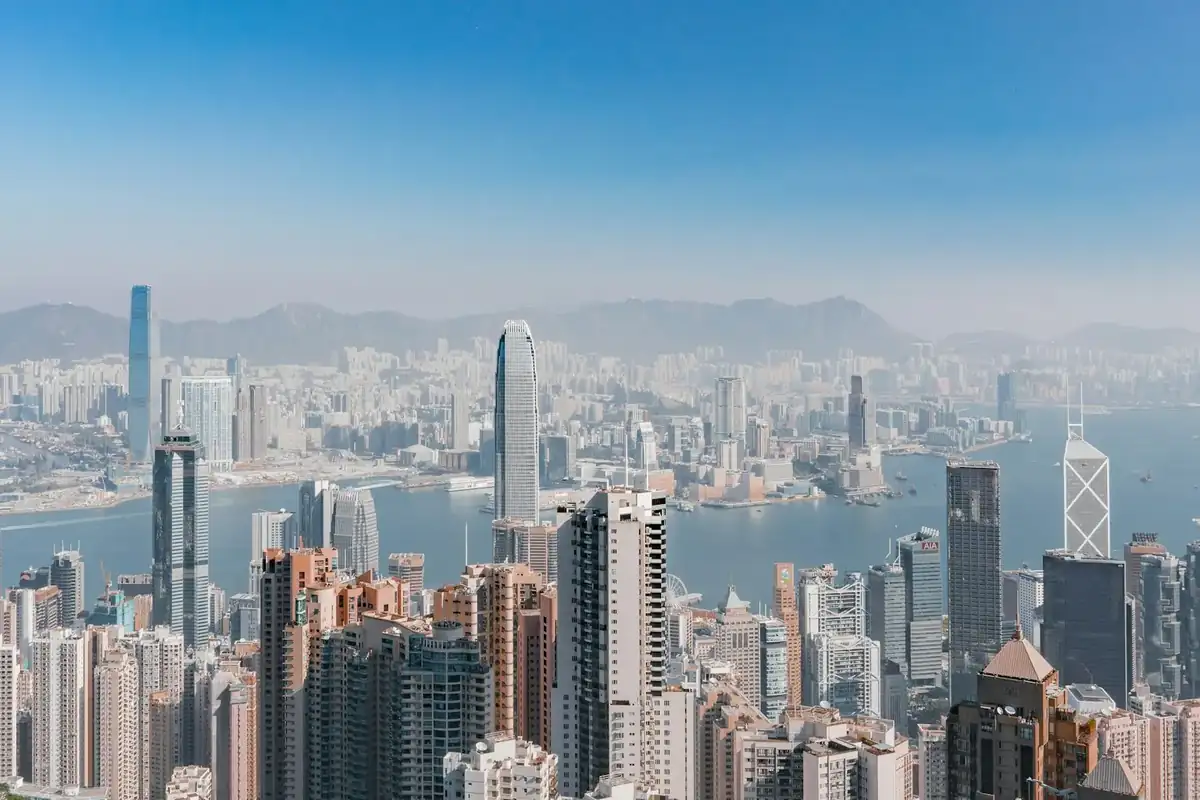
Hong Kong International Airport currently uses:
However, the role of Terminal 2 requires some explanation.
- Terminal 1 (T1)
- Terminal 2 (T2)
Terminal 1
Terminal 1 remains a major passenger terminal at Hong Kong International Airport and primarily focuses on long-haul and transfer/transit services under the airport's current operating arrangement.
The wider Terminal 1 passenger complex includes access to multiple boarding areas and concourses.
Facilities include:
- Airline check-in
- Immigration
- Security screening
- Baggage services
- Restaurants and cafés
- Shopping
- Duty-free facilities
- Passenger lounges
- Airport Express access
- Bus and taxi connections
- Passenger information
Terminal 2
The expanded Terminal 2 began passenger departure operations on 27 May 2026.
Fifteen airlines, including HK Express, Hong Kong Airlines and Greater Bay Airlines, relocated their departure check-in services from T1 to T2 in phases, with the relocation completed by 10 June 2026.
Terminal 2 is positioned primarily to serve leisure travel and regional short-haul flights, while Terminal 1 primarily focuses on long-haul and transfer/transit services.
T2 includes:
Passengers should check their airline's current terminal before travelling because terminal assignments can change.
- Airline check-in
- Self-service check-in
- Self bag drop
- Security processing
- Immigration processing
- Restaurants and retail
- Passenger services
- Airport Express access
- Airport bus access
- Taxi access
How Terminal 2 Departures Work
An important point for passengers is that checking in at Terminal 2 does not necessarily mean the aircraft departs from a gate physically attached to the T2 departure hall.
The current T2 departure process allows passengers to:
Hong Kong Airport confirms that T2 passengers use the APM to reach the T1 boarding-gate area after completing departure procedures.
- Arrive at Terminal 2
- Complete airline check-in or self check-in
- Drop checked baggage
- Pass through security
- Complete departure immigration
- Enter the restricted area
- Take the Automated People Mover (APM)
- Continue to the appropriate boarding gate
Transfers
Connecting Flights at Hong Kong International Airport
Hong Kong International Airport is one of Asia's major international transfer hubs.
Connection procedures depend on:
Passengers should follow Transfer / Transit signs after leaving their arriving aircraft.
Typical Transfer Process
- 1Airline
- 2Ticket arrangement
- 3Boarding-pass availability
- 4Baggage arrangements
- 5Final destination
- 6Whether the passenger needs to enter Hong Kong
International to International Connections
Passengers arriving at HKG with an onward boarding pass should follow signs towards the departures level and onward boarding gates.
Hong Kong Airport's current transfer guidance states that connecting passengers must complete security screening before proceeding to their onward boarding gate.
Typical Process
Passengers whose baggage is checked through to their final destination normally do not need to collect it during a standard through-ticket connection.
Passengers should confirm this with their airline at their original departure airport.
- Leave the arriving aircraft
- Follow Transfer / Transit signs
- Check the onward boarding gate
- Complete transfer security
- Follow airport signs to the appropriate boarding area
- Proceed to the gate
Connecting Without an Onward Boarding Pass
Passengers arriving without an onward boarding pass should follow signs to the appropriate airline transfer desk.
Hong Kong Airport advises passengers to obtain their onward boarding pass from the designated transfer desk before proceeding through the required security process to the departure level.
Connecting on Separate Tickets
Passengers travelling on separate tickets should confirm whether their airlines can transfer baggage between flights.
If baggage cannot be transferred, passengers may need to:
Passengers who need to enter Hong Kong must meet the applicable Hong Kong visa requirements.
This is particularly important for Sri Lankan passport holders, who currently require a visa/entry permit to visit Hong Kong.
- Enter Hong Kong
- Complete immigration
- Collect checked baggage
- Clear customs
- Enter the public arrivals area
- Proceed to the appropriate departure terminal
- Check in again
- Re-check baggage
- Complete security
- Complete departure immigration
- Proceed to the boarding gate
Automated People Mover
Hong Kong International Airport operates an Automated People Mover (APM) within the airport passenger complex.
The APM helps passengers travel between different passenger areas and boarding-gate facilities.
It also plays an important role in the new Terminal 2 departure process.
Passengers completing check-in, security and immigration at T2 can use the APM to reach the relevant boarding-gate areas.
Passengers should follow airport signage rather than attempting to determine their route based only on the gate number.
Getting into the city
Transportation from Hong Kong International Airport
Hong Kong Airport has extensive public transport connections.
The principal options include:
Hong Kong Airport identifies Airport Express, public buses and taxis among its principal ground-transport options.
- Airport Express
- Public buses
- Taxi
- Private transfer
- Hotel/resident coaches
- Cross-boundary transportation
Airport Express
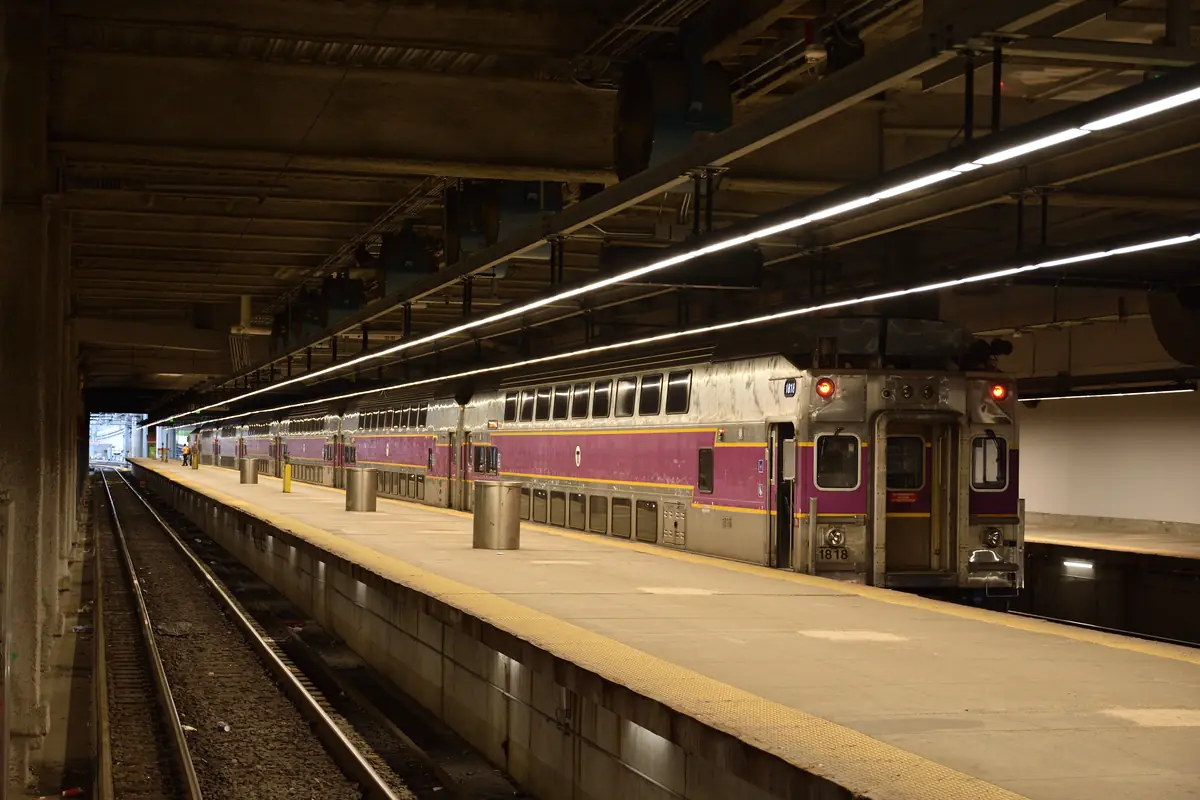
The Airport Express is one of the fastest and most convenient ways to travel between Hong Kong International Airport and the city's main urban areas.
The rail service provides connections towards:
Passengers can connect from these stations to Hong Kong's wider MTR network and other public transport.
Hong Kong Airport describes Airport Express as the quickest way to and from the city.
Both Terminal 1 and Terminal 2 are conveniently served by the Airport Express platform under the current terminal arrangement.
Tsing Yi
Kowloon
Hong Kong Station / Central area
Best for
- Central
- Kowloon
- Business travellers
- Visitors staying near MTR connections
- Travellers with luggage
- Passengers wanting to avoid road traffic
Public Buses
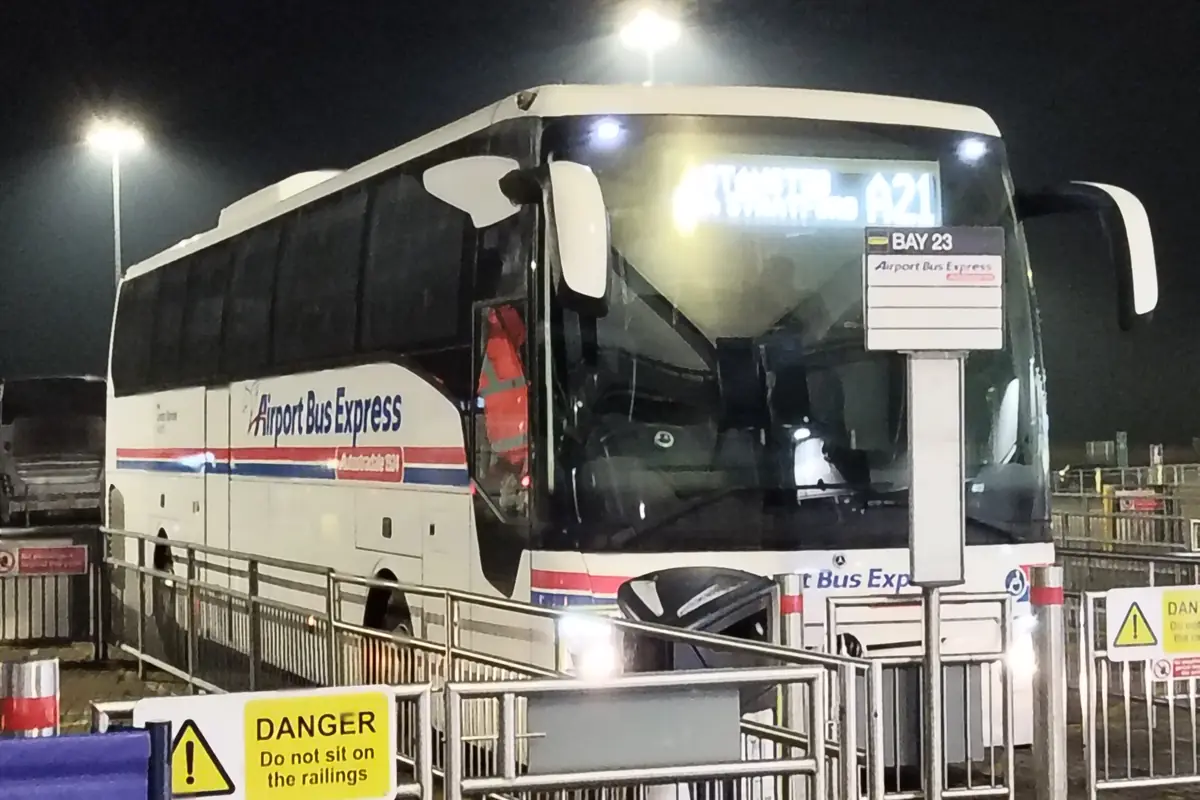
Hong Kong International Airport is served by an extensive network of public buses.
Airport bus routes provide access to many parts of:
The airport's official guidance describes the bus network as providing routes serving all of Hong Kong.
Some overnight airport bus services are also available for passengers travelling after normal rail operating hours.
Hong Kong Island
Kowloon
New Territories
Lantau Island
Best for
- Budget-conscious travellers
- Direct access to areas away from Airport Express stations
- Late-night transportation
- Passengers familiar with Hong Kong's bus network
Taxi
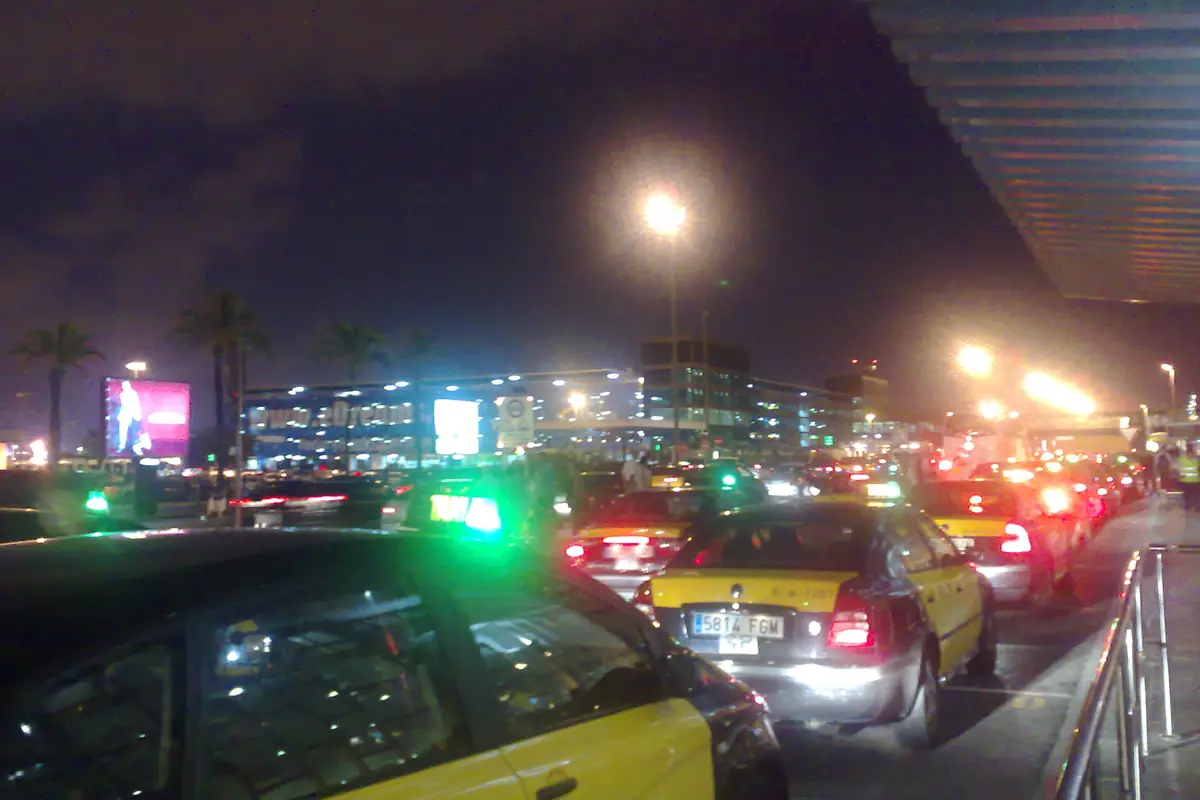
Taxis are available at Hong Kong International Airport.
Passengers should follow airport signage towards the official taxi pickup area.
Hong Kong taxis are generally divided by operating area, so passengers should join the appropriate taxi queue for their destination.
Taxi services provide convenient direct transportation to:
Hotels
Residences
Business districts
Tourist attractions
Railway stations
Other parts of Hong Kong
Best for
- Families
- Groups
- Travellers with substantial luggage
- Direct hotel transportation
- Late arrivals
- First-time visitors
Private Airport Transfer
Private transfers can be arranged between HKG and hotels, residences or other destinations.
These may be useful for:
Families
Groups
Business travellers
First-time visitors
Travellers with substantial luggage
Passengers requiring door-to-door transportation
Where to go next
Transportation to Popular Areas in Hong Kong

Central
Recommended options
- Airport Express to Hong Kong Station
- Bus
- Taxi
- Private transfer
Central is Hong Kong's principal financial and commercial district.
Airport Express is particularly convenient for Central.
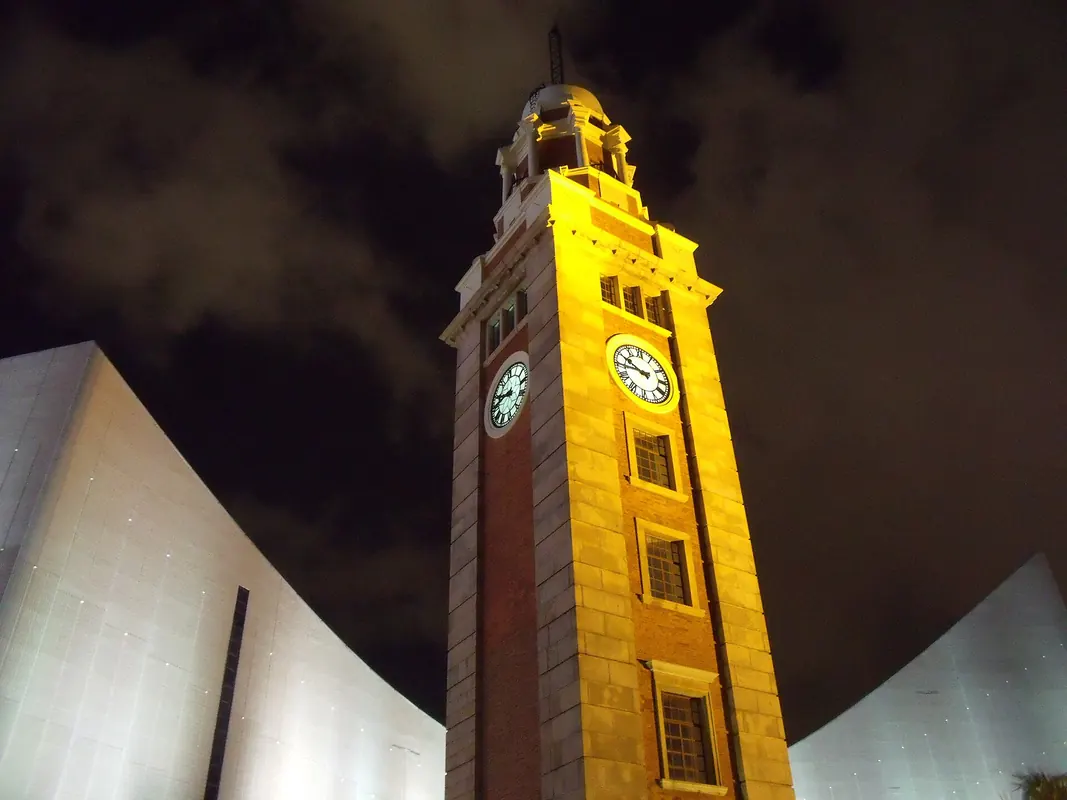
Tsim Sha Tsui
Recommended options
- Airport Express to Kowloon + onward transport
- Airport bus
- Taxi
- Private transfer
Tsim Sha Tsui is one of Hong Kong's major tourism, shopping, hotel and dining areas.
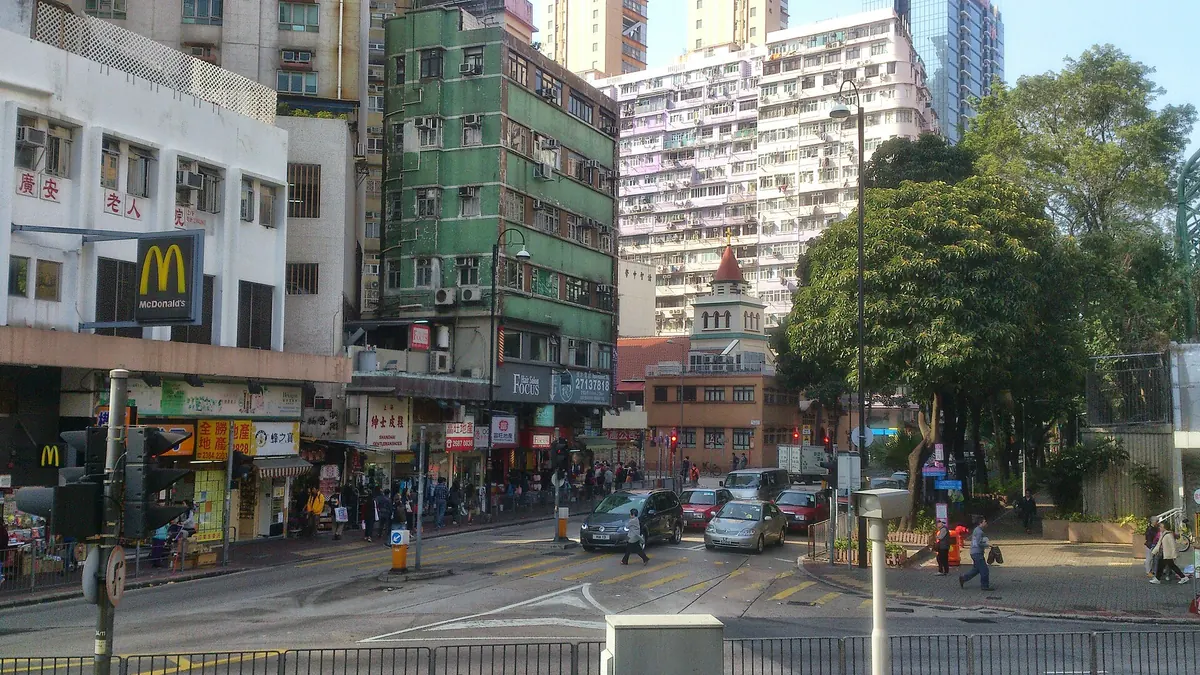
Mong Kok
Recommended options
- Airport Express + MTR/local transport
- Airport bus
- Taxi
- Private transfer
Mong Kok is a major shopping and entertainment district in Kowloon.
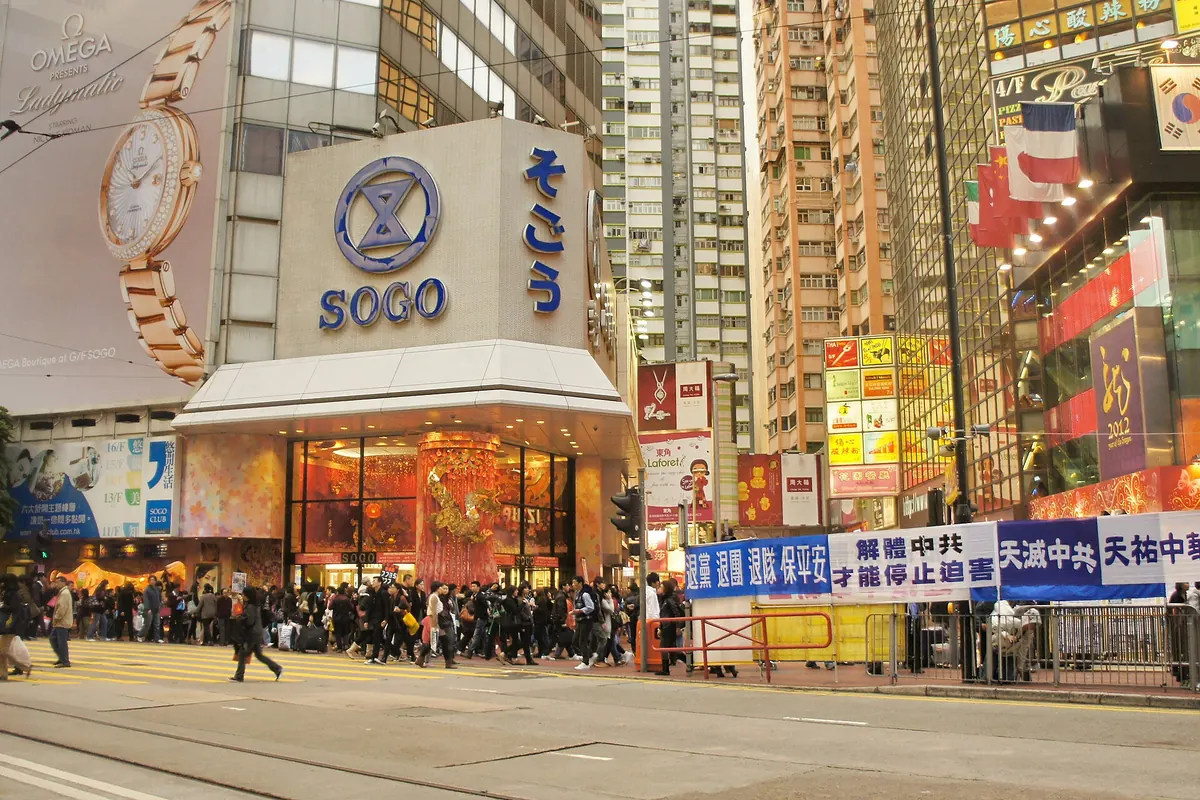
Causeway Bay
Recommended options
- Airport Express + MTR
- Airport bus
- Taxi
- Private transfer
Causeway Bay is a major shopping, dining and hotel district on Hong Kong Island.
Wan Chai
Recommended options
- Airport Express + MTR/local transport
- Airport bus
- Taxi
- Private transfer
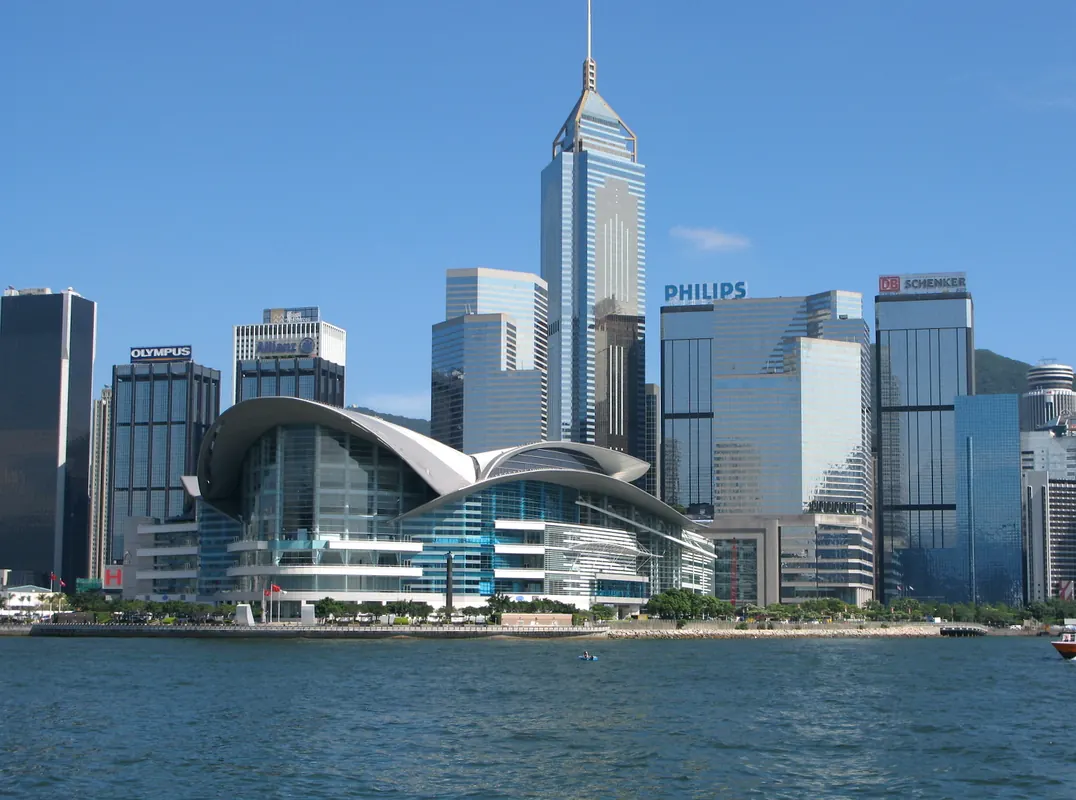
Wan Chai is an important business, exhibition, dining and hotel district.
Hong Kong International Airport to Disneyland
Recommended options
- MTR / Airport Express connections
- Bus combinations
- Taxi
- Private transfer
Hong Kong Disneyland is located on Lantau Island, relatively close to the airport compared with central Hong Kong.
Transportation options include:
Passengers using rail should check the appropriate current connection to the Disneyland Resort Line.
Hong Kong Airport to Mainland China
Recommended options
- Shenzhen
- Guangzhou
- Zhuhai
- Dongguan
- Other Greater Bay Area cities
- Cross-boundary coaches
- Limousine services
- Rail connections via Hong Kong
- Hong Kong-Zhuhai-Macao Bridge services
- Other authorised cross-boundary transport
Hong Kong International Airport is an important gateway for travel to the Greater Bay Area and Mainland China.
Passengers can continue towards destinations including:
Transportation options can include:
HKIA has expanded its Greater Bay Area connectivity, including a network of city terminals serving locations across the region.
Passengers entering Mainland China must ensure they meet the applicable Mainland Chinese immigration and visa requirements.
Hong Kong Airport to Macao
Passengers travelling between Hong Kong Airport and Macao have several possible transport arrangements depending on current services and their itinerary.
An important option for eligible passengers is the airport's air-to-sea transfer arrangement, which can allow qualifying transfer passengers to continue to Macao without first completing Hong Kong immigration.
Hong Kong Airport advises eligible ferry-transfer passengers not to pass through Hong Kong immigration or collect their baggage before completing the relevant transfer procedure.
Passengers should check current ferry/transfer schedules and eligibility before travelling because services and procedures may change.
Before you land
Tips for Travellers Arriving at HKG
- Check whether your departure check-in is at Terminal 1 or Terminal 2.
- Do not rely on older guides stating that Terminal 2 is closed for passenger departures.
- Terminal 2 departure operations began on 27 May 2026.
- T2 passengers use the Automated People Mover to reach the appropriate boarding-gate area after completing departure procedures.
- Check Hong Kong visa requirements before travelling.
- Sri Lankan passport holders currently require a visa/entry permit to visit Hong Kong.
- Remember that Hong Kong and Mainland China have separate immigration requirements.
- Confirm whether baggage is checked through to your final destination when connecting.
- Separate-ticket passengers should allow substantially more connection time.
- Consider Airport Express for fast travel towards Central or Kowloon.
- Consider airport buses for lower-cost travel and destinations away from Airport Express stations.
- Overnight buses are available on selected routes when normal rail services are not operating.
- Use official airport taxi pickup areas.
- Check current cross-boundary requirements before continuing to Mainland China or Macao.
- Check current Airport Express and bus schedules before travelling.
Flights from Sri Lanka
Why Book Your Hong Kong Flight with iCanFly?
iCanFly helps travellers in Sri Lanka search, compare and book flights between Colombo and Hong Kong as well as onward destinations across Asia and beyond.
Passengers can compare available flights based on airline, schedule, fare and travel preferences.
Popular Flight Searches
Stay with iCanStay
Hotels near Hong Kong International Airport
After landing at HKG, you can compare and book hotels in Hong Kong and nearby areas with iCanStay.
Popular Hotel Searches
Common questions
Frequently Asked Questions
Hong Kong International Airport uses the IATA airport code HKG.
Airport guides
Other airport guides
Arrival, terminal and transport notes for popular airports used by travellers from Sri Lanka.
CMB
Bandaranaike International Airport
Colombo, Sri Lanka

AUH
Zayed International Airport
Abu Dhabi, United Arab Emirates

BKK
Suvarnabhumi Airport
Bangkok, Thailand

BOM
Chhatrapati Shivaji Maharaj International Airport
Mumbai, India

MAA
Chennai International Airport
Chennai, India

DEL
Indira Gandhi International Airport
Delhi, India

DOH
Hamad International Airport
Doha, Qatar

DXB
Dubai International Airport
Dubai, United Arab Emirates

FRA
Frankfurt Airport
Frankfurt, Germany

IST
Istanbul Airport
Istanbul, Turkey

BLR
Kempegowda International Airport
Bengaluru, India
KUL
Kuala Lumpur International Airport
Kuala Lumpur, Malaysia

LHR
London Heathrow Airport
London, United Kingdom

MEL
Melbourne Airport
Melbourne, Australia

NRT
Narita International Airport
Tokyo, Japan

CDG
Paris Charles de Gaulle Airport
Paris, France
PVG
Shanghai Pudong International Airport
Shanghai, China
SIN
Singapore Changi Airport
Singapore, Singapore
SYD
Sydney Airport
Sydney, Australia

MLE
Velana International Airport
Malé, Maldives
HKG · Hong Kong Airport guide
Search and Book Flights to Hong Kong with iCanFly
iCanFly is an independent Sri Lankan online travel booking platform and is not the official website of Hong Kong International Airport, Airport Authority Hong Kong or the Hong Kong SAR Government. Airport facilities, terminal arrangements, transportation services, visa and immigration requirements, operating hours and other travel information are managed by the relevant airport, government, airline and transport authorities and may change. Passengers should confirm current information with Hong Kong International Airport, their airline, the Hong Kong Immigration Department or the relevant transport provider before travelling.